
Chickpea Egg: What It Is, How It Cooks, and 5 Recipes to Try
"Chickpea egg" sounds like it might be a trendy new produce item, but it's actually a category of plant-based egg alternative built around chickpea flour or chickpea protein instead of mung bean, soy, or pea protein. If you've seen the term floating around recipe blogs or grocery shelves and aren't sure what it actually is, how it's different from other plant-based eggs, or what to make with it, here's a straightforward answer, plus five recipes to get you started.
What Is a Chickpea Egg, Exactly?
A chickpea egg is a plant-based egg alternative that uses chickpeas, usually in the form of chickpea flour, as its primary protein source, instead of eggs from a chicken. Peggs is one example of this category: a shelf-stable dry powder made from chickpeas, potato starch, flaxseed, nutritional yeast, black salt (kala namak), cellulose, gellan gum, baking powder, turmeric, and onion powder, according to the Peggs product page. You whisk 1/4 cup of the powder with 1/4 cup of water, which substitutes for two conventional eggs, and cook or bake with it the same way you would a real egg.
The chickpea itself is doing real work here, not just filling space. Chickpeas are naturally high in protein relative to most other legumes and beans commonly used in egg alternatives, which is part of why chickpea-based products tend to hold together and set in a pan in a way that's closer to a real egg than, say, a flax egg or mashed banana, which are more commonly used as baking-only binders rather than full egg replacements.
How Does a Chickpea Egg Cook?
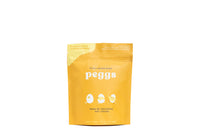
Made by chickpeas, not chicks
This recipe was made with Peggs
$36.00 — Peggs Plant-Based Egg | Vegan, Gluten-Free, Soy-Free
Once mixed with water, a chickpea egg behaves a lot like a conventional egg in the pan. Pour the whisked mixture into a heated, oiled skillet, and it scrambles, folds into an omelet, or sets into a frittata filling using the same technique and roughly the same cook time you'd use for real eggs. In the case of Peggs specifically, black salt (kala namak) is the ingredient responsible for the egg-like aroma and savory, slightly sulfurous flavor; without it, chickpea-based blends tend to taste flatter and more like plain legume flour. Peggs' own product page describes the finished texture as "slightly softer than a conventional scramble, think silken rather than rubbery," which is a fair way to set expectations before you cook with it for the first time.
Chickpea eggs also work in baking, using the same basic ratio. Because the powder form is shelf-stable and mixes into batter easily, it functions similarly to how you'd incorporate a real egg into muffins, cookies, cakes, pancakes, and waffles: dry powder goes in with your dry ingredients, water goes in with your wet ingredients. It's not recommended for recipes that depend on whipped egg structure, like a meringue or soufflé, since the protein doesn't aerate the way egg whites do.
Nutrition and Allergen Notes
Chickpea eggs are, by definition, 0% cholesterol, since cholesterol is only found in animal products, and they're naturally egg-free, making them suitable for vegans and anyone avoiding eggs specifically. Peggs is also gluten-free, soy-free, nut-free, and dairy-free. The one allergen worth knowing about: chickpeas are a legume, so if you or someone you're cooking for has a legume allergy, check with a doctor before using a chickpea-based egg alternative, and note that some chickpea egg products are made in facilities that also process other legumes.
5 Recipes to Try With a Chickpea Egg
1. Classic Chickpea Egg Scramble
Whisk 1/4 cup of your chickpea egg powder with 1/4 cup of water until smooth (this makes the equivalent of two eggs). Heat a lightly oiled non-stick skillet over medium heat, pour in the mixture, and let it sit for about 30 seconds before gently pulling it across the pan with a spatula, the same motion you'd use for a real scramble. Cook for 2 to 3 minutes, folding occasionally, until it's set but still soft. Season with a pinch of salt, black pepper, and any herbs you like. Fold in sautéed vegetables or vegan cheese in the last minute of cooking if you want to build it out into a full breakfast.
2. Fluffy Chickpea Egg Omelet
Whisk 1/2 cup of chickpea egg powder with 1/2 cup of water (equivalent to four eggs) until completely smooth, with no lumps. Heat a well-oiled non-stick pan over medium-low heat and pour in the full mixture, tilting the pan to spread it evenly. Let it cook undisturbed for 3 to 4 minutes until the edges set and the center is just slightly wet. Add your fillings, sautéed mushrooms, spinach, diced tomatoes, or vegan cheese, to one half, then use a spatula to fold the other half over. Cook another minute to finish setting, then slide onto a plate.
3. Chickpea Egg French Toast
For a sweeter application, chickpea egg works as the dredge for French toast the same way a beaten egg would. We have a full step-by-step recipe, including the exact ratio and cook technique, in our vegan French toast recipe, which walks through soaking bread slices in the whisked mixture with cinnamon and vanilla before pan-frying until golden.
4. Chickpea Egg Pancakes
Chickpea egg also works as the binding egg in a pancake batter, helping hold everything together while keeping the batter fluffy. For the full recipe, ratios, and cook time, check out our easy vegan pancakes recipe, which is built specifically around using a chickpea-based egg powder as the binder.
5. Chickpea Egg Baking: Simple Banana Muffins
To see how a chickpea egg performs in straightforward baking, try a basic muffin. Whisk 1/4 cup of chickpea egg powder into your dry ingredients (flour, baking powder, cinnamon, a pinch of salt) for a standard one-loaf muffin recipe, then add 1/4 cup of water along with your wet ingredients (mashed banana, plant-based milk, oil, sweetener) in place of the eggs the recipe calls for. Mix just until combined, fill a muffin tin, and bake at 350°F for about 18 to 20 minutes, or until a toothpick comes out clean. The texture should come out close to a standard egg-based muffin, moist with a tender crumb, since the chickpea protein is handling the binding and moisture retention the egg would normally provide.
Frequently Asked Questions
Is a chickpea egg the same as a regular egg substitute?
Chickpea egg is one specific category within the broader world of egg substitutes. Other common substitutes include mung bean-based liquids (like JUST Egg), starch-based binders (like Bob's Red Mill Egg Replacer, which isn't protein-based at all), and simple pantry swaps like flax eggs or applesauce, which work for baking but not for scrambling. Chickpea-based products tend to stand out because they're formulated to work for both cooking and baking, not just one or the other.
Does chickpea egg taste like a real egg?
It depends on the formulation, but a well-made chickpea egg with black salt (kala namak) in the ingredient list gets noticeably closer to a real egg's savory, slightly sulfurous flavor than a plain chickpea flour and water mixture would on its own. Texture-wise, most reviewers describe it as a bit softer or silkier than a conventional scramble rather than an exact match.
Can I use chickpea egg for baking?
Yes. Chickpea egg powders are generally formulated to work in both savory cooking and baking, using the same basic ratio (typically 1/4 cup powder to 1/4 cup water per two eggs). It works in muffins, cookies, cakes, pancakes, and waffles. It's not recommended for recipes that rely on whipped egg whites for structure, like meringue or soufflé.
Is chickpea egg vegan?
Yes, chickpea egg products are plant-based and contain no animal ingredients, making them suitable for a vegan diet, as well as for anyone with an egg allergy (though not necessarily a legume allergy, since chickpeas are legumes).
How do I store chickpea egg powder?
Most chickpea egg powders, including Peggs, are shelf-stable and don't require refrigeration. Check the Best By date on the package, store it in a cool, dry place, and once opened, reseal it and use the contents within a few months for the best results.
Can people with legume allergies use chickpea egg?
No, or at least not without medical guidance first. Chickpeas are a legume, so anyone with a legume allergy should talk to their doctor before using a chickpea-based egg alternative, and should check whether the specific product is made in a facility that also processes other legumes.
Ready to Try It?
If you want to try a chickpea egg for yourself, Peggs is available here in 36, 60, and 96-egg pouches. For more background on how plant-based eggs work in general, see our guides to egg substitutes for baking and what a plant-based egg actually is.
Free download
Get the Egg-Free Baking Cheat Sheet
The one ratio to remember, quick conversions, and where to add Peggs — straight to your inbox.
You're in! Grab your cheat sheet below.
Download the cheat sheet