
Vegan French Toast Recipe (Easy, 20-Minute, Egg-Free)
UpdatedWho says you need eggs to make the most delicious French toast of your life? If you've been missing this classic breakfast staple since going vegan, I have great news for you. This vegan french toast recipe is about to become your new weekend morning obsession.
The best part? You only need 20 minutes and a handful of simple ingredients you probably already have in your kitchen. No complicated techniques, no fancy equipment, and absolutely no eggs required. Whether you're brand new to vegan cooking or just looking for a quick and satisfying breakfast, this recipe is genuinely foolproof.
In this post, I'll walk you through everything you need to know, from choosing the right bread to nailing that perfectly golden, crispy exterior with a soft and custardy center. I'll also share a few simple tips to make sure your French toast turns out amazing every single time. So grab your favorite non-dairy milk and let's get cooking. Trust me, after one bite, you won't miss the original version at all.
Why This Recipe Actually Works (Without Any Eggs)
Let's be honest: the first thing most people think when they hear "French toast without eggs" is yeah, right. That skepticism is completely fair, because eggs in traditional French toast are actually doing a lot of heavy lifting. They provide structure (proteins firm up and hold the batter together when heated), richness (fat from the yolk creates that silky, custardy depth of flavor), and binding (egg proteins help the soak cling to the bread instead of dripping right off). So the real question isn't whether you can skip the eggs. It's whether you can replace what they actually do.
The answer is yes, and the science backs it up.
French toast is, at its core, a protein-soaked bread that sets when heat is applied. When any protein-rich liquid hits a hot pan, the proteins denature, meaning they uncoil and bond together, creating that golden crust on the outside and a tender, set interior. This process works the same whether the protein comes from a chicken egg or a well-formulated plant-based alternative. The key is having enough protein in your batter to coat the bread and hold its structure through the cook.
That's exactly where Eat Peggs comes in. Eat Peggs is a shelf-stable, powdered egg substitute made from chickpea protein, and chickpeas are genuinely well-suited for custard-style applications. Chickpea protein emulsifies, binds, and sets under heat in a way that closely mirrors conventional egg behavior, without any cholesterol or refrigeration required. You mix the powder with water to reconstitute it, combine it with your other batter ingredients, and it behaves like egg batter from start to finish.
The result? Golden and slightly crisp on the outside, soft and custardy in the middle, and honestly hard to tell apart from the classic version. Recipes like the one at Momables (rated 4.95 out of 5 from over 145 home cooks) confirm that egg-free French toast can deliver "light, airy middles and crispy, sweet crusts," and real-world tasters consistently report they don't miss the eggs at all.
This recipe is for everyone: vegans, people managing egg allergies, cholesterol-conscious cooks, campers and travelers who need pantry-stable ingredients, and yes, absolutely anyone who opened the fridge on a Sunday morning and found zero eggs. You don't need to compromise on taste or texture to make it work.
Ingredients You Will Need
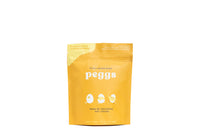
Made by chickpeas, not chicks
This recipe was made with Peggs
$36.00 — Peggs Plant-Based Egg | Vegan, Gluten-Free, Soy-Free
Here is everything you need to make this recipe happen. Good news: the list is short, the ingredients are beginner-friendly, and most of them are probably already in your kitchen.
The Core Ingredient List
Eat Peggs powdered egg substitute (follow the package directions for reconstitution, typically mixing the powder with water before adding it to your batter)
Water for reconstituting the Eat Peggs powder
Non-dairy milk, about ½ cup; almond, oat, soy, and full-fat coconut milk all work beautifully
Cinnamon, about ½ teaspoon
Vanilla extract, about 1 teaspoon
Granulated or coconut sugar, about 1 tablespoon
A pinch of salt
Why Each Ingredient Is Here
Understanding what each ingredient does makes you a more confident cook, so here is the quick breakdown. The reconstituted Eat Peggs combined with your non-dairy milk forms the custard base, which soaks into the bread and sets into that soft, eggy interior you are going for. Cinnamon and vanilla are the flavor workhorses of this recipe; they deliver that warm, cozy taste that makes French toast feel special. Sugar adds mild sweetness directly to the batter, not just to the toppings, while salt balances everything out and keeps the flavors from tasting flat. According to this healthier French toast recipe from Nutrition to Fit, that egg-and-milk combination is specifically what creates the contrast between a soft inside and a crisp exterior, which is the exact texture you want.
Optional Add-Ins Worth Trying
Once you are comfortable with the base recipe, a few small upgrades can take things further. A pinch of nutmeg or cardamom adds a slightly more complex, bakery-style flavor. A splash of maple syrup stirred into the batter adds depth beyond plain sugar. A teaspoon of cornstarch is worth adding if you want a thicker custard coating; home cooks in this egg-free French toast community thread confirmed that cornstarch works especially well as a batter thickener without eggs.
Quick Substitution Notes
Nut-free? Swap almond milk for oat or soy milk with no impact on the recipe.
Refined sugar-free? Use maple syrup or date sugar in place of granulated sugar.
Gluten-free? The bread swap is covered in a later section.
A Note on Pantry Convenience
One of the best things about this recipe is that all of the dry ingredients, including your Eat Peggs powder, store comfortably in the pantry long-term. That means this is a genuinely practical recipe for meal prep, camping trips, RV travel, or emergency food storage. No refrigerator required until it is time to cook.
How to Reconstitute Eat Peggs for French Toast Custard
If you have never used a powdered egg substitute before, reconstituting Eat Peggs takes less than two minutes and requires nothing fancier than a bowl, a whisk or fork, and a set of measuring spoons. Seriously, that is all. Here is exactly how to do it.
Step 1: Measure Your Powder and Water
For one to two servings of French toast, combine 2 tablespoons of Eat Peggs powder with 3 tablespoons of warm water in a small mixing bowl. Warm water (not boiling, just warm from the tap) helps the powder dissolve more evenly and speeds up hydration. Whisk or stir briskly for about 30 seconds, then let the mixture sit for 60 seconds to fully hydrate before moving on.
What the Reconstituted Mixture Should Look Like
When it is done correctly, the reconstituted Eat Peggs will look smooth, slightly opaque, and pale golden in color. The texture should feel similar to lightly beaten eggs: fluid enough to pour, but with a gentle body to it. It should coat the back of a spoon without running off immediately. If you see that, you are in great shape.
Avoiding the Two Most Common Mistakes
Getting the ratio right matters. Too little water leaves you with a thick, grainy mixture that will not spread across bread evenly, resulting in patchy coating and dry spots after cooking. Too much water tips the custard in the opposite direction, producing a thin, watery batter that soaks straight through the bread and causes that dreaded sogginess in the center.
Building the Final Custard Batter
Once your Eat Peggs base is smooth and hydrated, pour it into a wide, shallow dish or bowl. Add 3/4 cup of your preferred non-dairy milk (oat and almond both work beautifully), 1/2 teaspoon of cinnamon, 1/2 teaspoon of vanilla extract, and 1 tablespoon of sugar. Whisk everything together until the mixture is fully combined and uniform in color. A shallow dish is practical here because it doubles as your dipping vessel when you are ready to soak the bread.
Step-by-Step French Toast Instructions
Now that you have your ingredients ready and your Eat Peggs reconstituted, it is time to bring everything together. Follow these five steps in order and you will have golden, custardy French toast on the table in under 30 minutes.
Step 1: Reconstitute Your Eat Peggs
If you have not done this already, whisk your Eat Peggs powder with the specified amount of water in a wide, shallow bowl until completely smooth. Take an extra 30 seconds here and really work out any lumps. A lumpy egg base will coat your bread unevenly and leave streaky, unattractive patches on the finished toast. You want a silky, uniform liquid before you add anything else.
Step 2: Build Your Custard Batter
Pour your non-dairy milk directly into the reconstituted Eat Peggs mixture, then add your cinnamon, vanilla extract, sugar, and a small pinch of salt. Whisk everything together until fully combined. The salt is easy to skip, but do not underestimate it; it balances the sweetness and makes the vanilla and cinnamon flavors pop noticeably. Your finished batter should look cohesive and smell incredible.
Step 3: Heat Your Pan
Place a non-stick skillet or griddle over medium heat and add a small pat of vegan butter or a light drizzle of neutral oil. Medium heat is the sweet spot here. Too hot and your toast will scorch on the outside while staying wet and undercooked in the center; too low and it will steam rather than fry, leaving you with pale, soft results. Your pan is ready when the vegan butter has fully melted and is just beginning to foam at the edges. That light foam is your green light.
Step 4: Dip Your Bread
Submerge each slice in the custard batter for about 20 to 30 seconds per side. Thicker slices like brioche or challah can handle the full 30 seconds per side without falling apart. Thinner sandwich bread needs a quicker dip, closer to 10 to 15 seconds per side, or it will absorb too much liquid and become fragile. You want full saturation, not disintegration.
Step 5: Cook and Serve
Lay each soaked slice onto your preheated pan and cook for 2 to 3 minutes per side until deep golden brown. After you flip, place a lid loosely over the pan for about 60 seconds. This traps just enough steam to help the center set all the way through without drying out the exterior. Slide your finished toast onto a plate and serve immediately with maple syrup, fresh berries, or a dusting of powdered sugar. For more plating inspiration, this plant-based French toast guide offers a solid visual reference for topping combinations that work beautifully.
Which Bread Works Best for Vegan French Toast
The good news is that this recipe is genuinely flexible when it comes to bread. The even better news is that you probably already have something in your kitchen that will work beautifully. Here is a quick rundown of the best options so you can choose based on what you have available or the result you are going for.
Brioche and challah are the gold standard for a restaurant-style result. Both are rich, slightly sweet, and highly absorbent, which means every bite ends up custardy and indulgent. The trade-off is that their soft, pillowy crumb soaks up liquid fast. Keep your dip time short, around 20 to 30 seconds per side, and err on the side of thicker slices (at least ¾ inch) to maintain structure. One practical note worth knowing: many store-bought brioche and challah loaves contain eggs and dairy, so check the label if you are keeping this recipe fully plant-based.
Sourdough is a fantastic choice if you prefer something less sweet. Its slightly tangy flavor pairs really well with maple syrup or fresh fruit toppings, and its firmer crumb holds up confidently during soaking. You also get a more rustic, textured result that looks genuinely impressive on a plate.
Classic sandwich bread is the most beginner-friendly pick. It works at almost any thickness and produces reliably good results every single time. Just avoid very thin slices, which can tear during soaking before you even get them to the pan.
Ciabatta brings a lot of character thanks to its open, airy crumb, but that same structure makes it surprisingly fragile once wet. Slice it thicker than you think you need, and dry it out before use.
Gluten-free bread actually performs well in this recipe, partly because vegan French toast batter does not rely on eggs as a structural binder to begin with. Choose a denser gluten-free loaf and reduce your soak time slightly to keep things from falling apart.
Regardless of which bread you choose, there is one rule that matters more than anything else: use day-old or oven-dried bread. Fresh bread is too moist and will absorb custard unevenly, leaving you with a soggy middle and a limp exterior. Stale bread, on the other hand, has lost much of its surface moisture, which opens up the starch structure and allows it to pull custard inward evenly through capillary action. The result is a slice that is properly saturated all the way through but still holds its shape in the pan. If your bread is fresh, slice it and bake it at 300°F for about 10 minutes to dry it out before you start.
Tips for Getting Perfect French Toast Every Time
The difference between good French toast and great French toast usually comes down to a handful of small technique adjustments. None of them are complicated, but each one makes a real difference in the final result.
Dry your bread first. This is the single biggest upgrade you can make. Fresh bread holds too much moisture and will turn soggy the moment it hits the custard. Instead, place your slices on a wire rack overnight, or pop them in the oven at 275°F for about 10 minutes before soaking. Either method dries the surface just enough to help the bread absorb the custard deeply without falling apart. According to Serious Eats, this step is one of the core reasons home cooks struggle to replicate restaurant-quality results.
Use medium heat, and stick with it. Tasting Table confirms that medium heat is the sweet spot, cooking each side for roughly three minutes. Too high and the outside burns before the center sets. Too low and you end up with a pale, steamed slice rather than the golden crust you are going for.
Choose your fat wisely. A light coat of vegan butter adds flavor and encourages browning. For cooking multiple batches, swap to a neutral oil with a higher smoke point, like avocado or refined coconut oil, so the pan stays consistent without burning.
Do not overcrowd. Cook two to three slices at a time at most. Adding too many slices drops the pan temperature and releases excess moisture, which leads to uneven browning and a softer texture overall.
Serve immediately. French toast is best straight from the pan. That crisp exterior softens quickly as interior steam escapes, so plate it right away and enjoy the contrast while it lasts.
Troubleshooting Common French Toast Problems
Even the best technique hits a snag sometimes. Here is a quick reference guide to the five most common French toast problems and exactly how to fix them.
Your French Toast Came Out Soggy
This is the number one complaint, and it almost always comes down to one of three things: bread that is too fresh, soaking too long, or a pan that was not hot enough before you added the bread. Fresh bread holds a lot of moisture, so it absorbs the custard but cannot release steam fast enough during cooking. The fix is to dry your bread first, either by leaving slices out overnight or popping them in a low oven for a few minutes. From there, limit your soak time to about 15 to 20 seconds per side rather than letting the bread sit in the custard. And always preheat your pan fully before the first slice goes in. A properly heated surface starts cooking the exterior immediately, which locks the custard in rather than letting it pool and steam.
Your Custard Is Too Thin and Slides Right Off
If your batter looks watery or barely coats the bread, you have either added too much non-dairy milk or under-hydrated your Eat Peggs powder. The quickest fix is to whisk one teaspoon of cornstarch directly into the batter, which thickens it noticeably without changing the flavor. Alternatively, reduce your non-dairy milk by two tablespoons and let the batter rest for a minute or two so the powder fully hydrates before dipping.
Your Bread Is Tearing During Soaking
Thin sandwich bread and fresh gluten-free bread are particularly vulnerable here because they lose structural integrity the moment they absorb liquid. Use a wider, shallower dish for dipping so you do not have to bend or angle the bread to fit. Slide a flat spatula underneath before lifting rather than picking the slice up by the edge. And if your bread is on the thinner side, simply cutting thicker slices from the loaf solves the problem before it starts.
Your French Toast Is Pale or Browning Unevenly
Pale French toast is a fat and heat problem. If your pan is running too cool or you did not add enough vegan butter, the bread will steam rather than sear. Add a small pat of vegan butter directly to the pan between each batch rather than just at the start, since the fat burns off quickly. Raising the heat slightly, just enough to hear a gentle sizzle when the bread hits the pan, makes a significant difference in color and texture. According to culinary experts, consistent fat coverage across the cooking surface is one of the most overlooked steps in getting that golden, even finish.
Your French Toast Is Too Sweet or Not Sweet Enough
The good news here is that sweetness is the easiest variable to control. Adjust the sugar in your custard batter by one teaspoon at a time until it hits the right note for your taste. Just keep in mind that the bread you choose plays a big role too. Brioche and challah bring natural sweetness to the finished slice, while sourdough or whole grain bread lends a savory, tangy contrast that can handle a little extra sugar in the batter. Tasting your batter before dipping is always worth the ten seconds it takes.
How Plant-Based French Toast Stacks Up Nutritionally
If you are curious about how swapping conventional eggs for Eat Peggs actually moves the nutritional needle, here is the honest breakdown.
The most significant difference is cholesterol. A single conventional large egg contributes approximately 185mg of dietary cholesterol. Eat Peggs, being entirely plant-based, contributes zero. For a two-egg French toast serving, that is roughly 370mg of cholesterol removed from your plate before you even factor in bread or toppings. Saturated fat follows a similar pattern; a conventional egg contains around 1.6g of saturated fat per egg, while chickpea-based egg alternatives carry none. On protein, both options are competitive, delivering a meaningful amount per serving to support the custardy batter texture you are going for.
The Chickpea Protein Bonus
What makes chickpea-based protein genuinely interesting from a nutrition standpoint is that it brings fiber to the equation, something conventional eggs simply do not contain. Chickpeas also offer a solid amino acid profile, making this swap feel less like a removal and more like a genuine nutritional trade-up. You are not just cutting something out; you are adding something useful in its place.
Keeping It Honest
That said, French toast is still a treat food, and this recipe from Pebbles and Toast puts it well by keeping things simple and ingredient-focused without overclaiming health benefits. As food writer Nisha Vora describes her own vegan version, it is "the ultimate treat", full stop. The total nutrition of your finished plate depends heavily on your bread choice, whether you top it with fresh fruit or a river of maple syrup, and how much cooking fat you use.
One practical lever worth pulling: using unsweetened non-dairy milk instead of heavy cream in your batter meaningfully reduces total fat without changing the texture or flavor in any noticeable way. If you are cooking in a well-seasoned pan, you can also cut back on added butter entirely and still get a beautifully golden result.
For anyone managing dietary cholesterol for heart health, navigating an egg allergy, or simply trying to add more plant-based protein to their routine, this swap is genuinely meaningful. It is not magic, but it is a real and practical improvement in the right direction.
Powdered vs. Liquid Egg Substitutes for French Toast
When it comes to plant-based egg substitutes for French toast, there are two main formats worth knowing about: refrigerated liquid products and shelf-stable powdered products. Most liquid options on the market are made from mung bean protein or other legume-based blends. Powdered options, like Eat Peggs, are typically made from chickpea protein and come in a dry, pantry-friendly format that you mix with water before using. Both categories have genuine fans and both can produce a solid custard batter, so the right choice really depends on how you cook and how you live.
Storage and Shelf Life
This is where the two formats differ most noticeably in practical terms. Liquid egg substitutes need to stay refrigerated and, once you crack them open, they are generally best used within about five to seven days. That works perfectly well if you cook eggs regularly and go through them quickly. Powdered substitutes like Eat Peggs sit comfortably at room temperature for months and you only reconstitute the amount you actually need for a given recipe. That means less waste, no urgency, and no scrambling to use up the rest of the carton before it turns.
Texture and Custard Control
Both formats are capable of producing a satisfying, custardy soak for French toast. Where powdered substitutes have a slight practical edge is in adjustability. Because you control the water-to-powder ratio yourself, you can dial the batter thicker or thinner depending on your bread and your preference. Egg substitute guides for baking reinforce this point: different substitutes cover different functional needs, and having ratio control matters when you are chasing a specific texture outcome.
Use Case Fit
Liquid substitutes are widely available, well-reviewed, and genuinely convenient for everyday home cooking. If your kitchen has consistent refrigerator access and you cook breakfast regularly, they are a completely reasonable choice. Powdered substitutes earn a clear advantage in scenarios where refrigeration is not available or practical, including camping trips, RV travel, road travel, or building out an emergency food pantry. No cold chain required, no spoilage risk, and the French toast comes out just as good.
The honest summary is this: neither format is universally better. The vegan egg substitute landscape has grown to include around 20 active brands across both formats, which means both have established, satisfied user bases. If storage flexibility, portability, and long shelf life matter to your lifestyle, the powdered format is worth a serious look.
Who Will Love This Recipe
This recipe was designed with a specific group of people in mind, and honestly, that group is pretty large. Here is a closer look at who stands to benefit the most.
Vegans and Plant-Based Eaters
If you follow a fully plant-based lifestyle, you already know the frustration of finding a recipe that bills itself as "vegan" only to realize it requires five specialty ingredients just to approximate what eggs normally do. This recipe skips all of that. There are no flaxseed eggs, no banana mash, no nutritional yeast whisked into coconut cream. Eat Peggs handles the egg functionality entirely, and every other ingredient in this recipe is already plant-based by default. Nothing has been retrofitted or adapted from a conventional version. It was built this way from the start.
People with Egg Allergies
If you or someone in your household has an egg allergy or intolerance, this recipe contains zero eggs and zero egg-derived ingredients. That said, your full safety depends on the supporting ingredients too. Make sure to pair this recipe with a bread and plant-based milk that are confirmed free of your specific allergens, since those components vary by brand and formulation.
Campers, RV Travelers, and Backpackers
Here is something genuinely unique about this recipe: you can make it without a cooler. Conventional French toast requires refrigerated eggs and fresh milk, which means it is basically off the table for campsite cooking unless you have a full cooler setup. Because Eat Peggs is shelf-stable and pairs naturally with shelf-stable plant milks like oat or coconut milk, this may be one of the only French toast recipes that works entirely from a dry pantry bag. That is a real advantage when you are cooking over a camp stove or living out of an RV.
Cholesterol-Conscious Cooks
As covered earlier in this post, conventional eggs contribute dietary cholesterol, and Eat Peggs contains none. For anyone working with a healthcare provider to manage their dietary cholesterol intake, swapping in a plant-based egg substitute is a practical, flavor-neutral change that does not require rebuilding your favorite recipes from scratch. As always, follow your provider's specific guidance on dietary changes.
Meal Preppers and Minimalist Pantry Households
Eat Peggs stores for months, which means you do not need to cook with it every week to justify keeping it on hand. For households that only occasionally need egg functionality, it eliminates the familiar problem of buying a carton of eggs for one recipe and watching the rest go to waste. One container covers French toast, scrambled eggs, baking, quiches, pancakes, and more. If you are building a leaner, more intentional pantry, that kind of versatility earns its shelf space.
Frequently Asked Questions
Can you make French toast without eggs?
Absolutely, and the results will genuinely surprise you. A custard batter made from a plant-based egg substitute, non-dairy milk, vanilla extract, and cinnamon does everything traditional eggs do in this recipe. The bread soaks up the mixture, the exterior caramelizes beautifully on the skillet, and the inside stays soft and custardy. When you follow the technique correctly, the finished result is golden, fragrant, and completely indistinguishable from the classic version.
What is the best egg substitute for French toast?
Both powdered and liquid plant-based egg substitutes work well here. Liquid options are convenient if you already have them in your refrigerator. Powdered options like Eat Peggs offer a couple of meaningful advantages: they are shelf-stable, so you can keep them in your pantry for months without worrying about spoilage, and they give you precise portion control since you measure out exactly what you need. For anyone who cooks infrequently or wants a reliable backup ingredient, the powdered format is genuinely practical.
Is vegan French toast healthy?
It can be a solid, nutritious breakfast choice. The biggest positive swaps come from using a plant-based egg substitute that contributes protein with zero cholesterol, pairing it with unsweetened non-dairy milk, and choosing whole grain bread as your base. Where nutrition tends to shift is in the toppings and cooking fat, so using a light hand with butter and opting for fresh fruit over heavy syrups keeps the meal well-balanced.
Does vegan French toast taste the same as regular French toast?
Very close, yes. The key is technique: use day-old bread, give your reconstituted egg substitute enough time to fully absorb into each slice, and cook over medium heat. The cinnamon-vanilla custard flavor comes through completely, and the texture hits that familiar sweet spot between crisp edges and a soft, tender center.
Can I make this recipe ahead of time?
French toast tastes best right off the skillet, but it stores well. Let cooked slices cool completely, then place them in an airtight container and refrigerate for up to three days. To reheat, use a toaster oven or a dry skillet over medium heat rather than a microwave; this brings back the crisp exterior instead of turning the slices soft. You can also freeze individual portions and thaw them overnight in the refrigerator before reheating. For more inspiration on building this into a weekly routine, this easy vegan French toast guide has helpful serving ideas worth bookmarking.
Vegan French Toast Recipe Card
Recipe Details ⏱ Prep: 5 minutes | Cook: 15 minutes | Total: 20 minutes | Servings: 2 to 4
Ingredients
Eat Peggs powder — follow package directions (typically 1 to 2 tablespoons per egg equivalent)
Water — as directed on Eat Peggs packaging for reconstitution
Non-dairy milk — ¾ cup (oat, almond, soy, or coconut all work great)
Ground cinnamon — 1 teaspoon
Pure vanilla extract — 1 teaspoon
Sugar — 1 teaspoon (granulated or coconut sugar)
Salt — pinch
Bread slices — 4 to 6 thick-cut slices
Vegan butter or neutral oil — 1 tablespoon
Instructions
Reconstitute the Eat Peggs powder. Whisk Eat Peggs powder with water per package directions until fully dissolved. Rest for 1 to 2 minutes until slightly thickened.
Mix the custard. In a wide, shallow bowl, whisk the reconstituted Eat Peggs mixture with non-dairy milk, cinnamon, vanilla extract, sugar, and salt until smooth.
Prep the pan. Heat a non-stick skillet over medium heat. Add vegan butter or oil and let it coat the surface evenly.
Dip the bread. Press each slice gently into the custard, coating both sides without over-soaking.
Cook until golden. Cook each slice 3 to 5 minutes per side until golden and crisp.
Serve immediately with your favourite toppings.
Notes
Swaps: Any thick-cut bread works here, including sourdough, sandwich bread, or certified vegan brioche. For a richer custard, swap standard plant milk for light coconut milk. For an optional eggy flavour boost, add a small pinch of black salt (kala namak) to the batter.
Storage: Refrigerate leftovers in an airtight container for up to 3 days. Reheat in a toaster or dry skillet to restore crispness. Freeze with parchment between slices for up to 1 month.
Toppings: Maple syrup, fresh berries, powdered sugar, nut butter, or coconut whipped cream.
Dietary labels: Vegan, Dairy-Free, Egg-Free Equipment: Wide shallow bowl, non-stick skillet or griddle, spatula Estimated calories: Approximately 180 to 220 per serving (varies by bread and toppings)
The Takeaway
Here is the bottom line: you do not need eggs to make French toast worth waking up for. A chickpea-based powdered egg substitute gives you the same golden crust, the same custardy center, and the same satisfying bite, with zero cholesterol and a bag that sits happily in your pantry for months.
If you take nothing else from this article, remember these three things. Use day-old bread so it absorbs the custard without falling apart. Get your reconstitution ratio right so the batter has the proper consistency to coat each slice evenly. And cook on medium heat so the outside crisps up beautifully before the inside overcooks.
When you are ready to try it, grab a bag of Eat Peggs here. One bag replaces multiple cartons of eggs across dozens of recipes, making it one of the most versatile things you can keep on hand.
Want to keep exploring? Check out our guides on vegan scrambled eggs, egg substitutes for baking, and plant-based breakfast recipes for more ideas.
Conclusion
There you have it: everything you need to make incredible vegan French toast in just 20 minutes. To recap the key takeaways, the right bread makes all the difference, a thick and creamy non-dairy milk mixture creates that perfect custardy center, and patience while cooking gives you that golden, crispy exterior every time. Best of all, you never need eggs to achieve a truly satisfying, restaurant-worthy breakfast.
Now it is your turn to bring this recipe to life. Head to your kitchen this weekend, gather your ingredients, and treat yourself to a breakfast that proves plant-based eating is anything but boring. When you try it, leave a comment below and let me know how it turned out. Once you make this recipe, you will wonder how you ever spent your Sunday mornings any other way.
Free download
Get the Egg-Free Baking Cheat Sheet
The one ratio to remember, quick conversions, and where to add Peggs — straight to your inbox.
You're in! Grab your cheat sheet below.
Download the cheat sheet