
Vegan Eggs Explained: The Complete Plant-Based Egg Guide
UpdatedWhether you are cutting out animal products, dealing with an egg allergy, or simply curious about what is happening in the world of plant-based food, you have probably stumbled across the term "vegan egg" at least once. And honestly, it can feel a little confusing at first. How can something be an egg without actually being an egg?
Here is the good news: vegan eggs have come a long way, and there are more options available today than ever before. From liquid plant egg cartons that scramble just like the real thing to simple pantry ingredients that work perfectly in baking, the plant-based world has found some seriously clever solutions.
In this guide, we are breaking everything down in a simple, beginner-friendly way. You will learn what vegan eggs actually are, the different types you can find or make at home, and how to use them in everyday cooking. No complicated jargon, no confusing science. Just straightforward information to help you feel confident navigating the world of plant-based eggs. Let's dive in!
What Is a Vegan Egg (and Why Do People Call It That)?
A vegan egg (also called a plant egg or plant-based egg) is exactly what it sounds like: an egg alternative made entirely from plants, with zero hens involved at any stage. No chickens, no coops, no shells. Just plant-based ingredients doing the heavy lifting. Some formats even skip the refrigerator entirely, which makes them way more convenient than you might expect.
Quick definition: A vegan egg is a plant-based alternative to conventional hen's eggs, made from ingredients like chickpea flour, mung beans, flaxseed, or soy protein. These products are designed to replicate the functional roles eggs play in cooking and baking, including binding, emulsifying, thickening, and foaming, without involving any animals. They come in liquid, powder, and DIY formats, each with different shelf lives and best uses.
Here's something important to understand right away: "vegan egg" is a product category, not a single ingredient or brand. The term covers a surprisingly wide range of options. We're talking chickpea-based powders, liquid mung bean formulas, DIY flax eggs (just ground flaxseed mixed with water), aquafaba (the liquid from a can of chickpeas), and everything in between. If it replaces an egg and comes from a plant, it counts.
The thing that makes plant-based eggs genuinely useful, though, isn't just flavor. It's function. Real eggs do a lot of work in recipes: they bind ingredients together, help batters rise, create creamy textures, and emulsify sauces. A good vegan egg is engineered to do those same jobs, not just taste similar. According to a 2025 peer-reviewed review in NFS Journal, plant-based egg alternatives can effectively replicate these functional properties depending on the formulation used.
That said, not all plant eggs perform equally. A product that makes a great scramble might fall flat in a soufflé. Powder formats, liquid formats, and DIY options each have their sweet spots, and ingredients matter a lot. The vegan egg market research from Future Market Insights notes that powder formats alone account for 61% of the product segment, proving shelf-stable options are far from niche. The rest of this guide breaks down exactly which formats work best for which recipes, so you can stop guessing and start cooking with confidence.
Why Are Vegan Eggs Having a Moment Right Now?
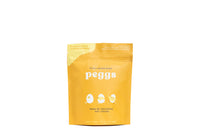
Made by chickpeas, not chicks
This recipe was made with Peggs
$36.00 — Peggs Plant-Based Egg | Vegan, Gluten-Free, Soy-Free
Honestly? A lot of things collided at once, and the timing couldn't have been more perfect for plant-based eggs to step into the spotlight.
Let's start with the most immediate reason: the price of conventional eggs went haywire. Avian flu outbreaks swept through poultry farms and triggered price spikes of up to 50% in some regions, with the average US retail price of a dozen eggs hitting record highs. For a lot of shoppers, that sticker shock at the grocery store was the nudge they needed to finally try something different. Plant-based eggs went from "interesting concept" to "actually practical option" almost overnight.
But this isn't just a crisis-driven blip. The deeper shift is generational. Plant-based diet adoption has climbed 30% among Gen Z and Millennials over the past five years, and those two groups now make up 63% of all vegan egg buyers. These are people who grew up thinking more carefully about what they eat, where it comes from, and what it does to the planet. Their interest in plant eggs isn't a phase; it's a lifestyle pattern that keeps compounding.
The market numbers back this up in a big way. The global vegan egg market was valued at USD 2.1 to 2.2 billion in 2025 to 2026 and is projected to reach USD 3.8 billion by 2036. That's not niche territory. That's a mainstream food category in active growth mode.
Sustainability is also pulling more people in than most brands realize. Plant-based eggs produce up to 80% lower greenhouse gas emissions than conventional eggs, and that environmental upside is increasingly showing up as a real purchase driver, especially among younger buyers who care about their carbon footprint.
Here's the part that surprises most people: 54% of vegan egg demand comes from flexitarian and semi-vegetarian households, while only 18% comes from strictly vegan consumers. Add in the 10 to 12% of buyers who switched specifically because of egg allergies (often parents baking for kids who can't tolerate eggs), and the picture becomes very clear. The vegan egg audience is broad, practical, and growing fast. This is not a niche lifestyle product anymore. It's becoming a kitchen staple for a wide range of people with very different reasons for being here.
How Do Plant-Based Eggs Actually Work? (The Science, Made Simple)
Here's something kind of mind-blowing to sit with: eggs don't do just one thing in your cooking. They do five. They bind ingredients together, emulsify fats and liquids, foam up to create lift, thicken sauces and custards, and add moisture and protein to everything they touch. That's a lot of jobs for a single ingredient. The good news? None of those jobs actually require a hen to show up.
Plant-based eggs work by using a combination of smart ingredients, each one stepping in to cover a specific egg function. Once you understand the lineup, the whole thing starts to make a lot of sense.
Aquafaba: The Chickpea Liquid That Pulls Way Above Its Weight
The real star of the show is aquafaba, which is just the liquid left over from cooked or canned chickpeas. It sounds so humble. And yet, it can bind, emulsify, foam, and thicken, covering nearly every function eggs perform in a recipe. The genuinely wild part? You can whip aquafaba into stiff, glossy peaks, just like egg whites. That's the science behind vegan meringues, mousses, and fluffy pancakes. Three tablespoons of aquafaba swaps in for one whole egg.
Why does this work? Chickpeas leach proteins, starches, and natural compounds called saponins into the cooking liquid. That protein-starch matrix stabilizes air bubbles during whipping, mimicking exactly what egg whites do. Chickpeas are particularly good at this compared to other legumes because their cooking liquid is especially rich in these dissolved proteins and carbohydrates.
Modified Starches and Hydrocolloids: The Supporting Cast
Once you've got aquafaba handling binding and foaming, modified starches take on the thickening and structure-setting work. When heated, they gelatinize and absorb water, creating that firm, set texture you expect in a baked good, a quiche filling, or a creamy custard. Then there's a group of ingredients called hydrocolloids, which includes things like methylcellulose and xanthan gum. These replicate the emulsifying power of egg yolks, keeping fats and liquids from separating in batters and sauces.
The science here isn't speculative. A 2025 review published in Springer's Discover Food journal confirmed that chickpea aquafaba, modified starches, and hydrocolloids can effectively mimic egg functionalities including binding, emulsifying, foaming, and thickening. A second 2025 comprehensive review in the IFT journal covering plant-based egg analogs digs even deeper into the mechanisms and strategies behind making these substitutes work across different food applications.
The short version: this isn't guesswork or food trends running ahead of the evidence. The research has caught up, and the ingredient science is genuinely solid. Plant-based eggs aren't trying to fake it. They're doing the actual work, just with different tools.
The Main Types of Plant-Based Eggs (And What Each One Is Good For)

Not all plant-based eggs are created equal, and picking the wrong one for your recipe is probably the most common mistake beginners make. Here's a quick breakdown of the five main types you'll encounter, plus exactly where each one shines (and where it falls flat).
1. Liquid Plant-Based Eggs
These are the ones you'll typically find in the refrigerated section, usually in a carton or bottle. Liquid plant eggs are formulated from proteins like mung bean, pea, or soy, and they're designed to behave a lot like cracking a conventional egg into a pan. If you want scrambled eggs or a fluffy omelet on a Tuesday morning with minimal effort, liquid plant eggs are genuinely impressive in that department. The texture is the closest you'll get to the real thing without a chicken being involved. The tradeoff is convenience on the back end: they require cold storage at all times, and once opened, you're working against the clock to use them up before they turn. Not ideal if you cook eggs occasionally rather than daily, or if you want something you can toss in a backpack for a camping trip.
2. Powdered Plant-Based Eggs (Like Eat Peggs)
This is the format that's quietly taking over the category by volume. Powder vegan eggs hold 61% of the vegan egg product segment by volume in 2026, and it's easy to understand why. You mix the powder with water before use, and you get a versatile egg alternative that works for scrambles, omelets, baking, pancakes, quiches, and more. The shelf life is the real game-changer here. No expiration date to babysit, no cold storage required, no waste if you only cook eggs once in a while. This format is perfect for meal preppers, campers, travelers, and honestly anyone who's ever thrown out a half-used carton of something because they forgot about it. Eat Peggs is built on exactly this idea, using chickpeas as the base ingredient to deliver a clean, versatile egg alternative that lives in your pantry until you need it.
3. Flax and Chia "Eggs"
These DIY options have a very specific job, and that job is binding. To make one, you mix one tablespoon of ground flaxseed or chia seeds with three tablespoons of water, let it sit for about five minutes, and you get a gel that holds baked goods together. Muffins, cookies, quick breads; flax and chia eggs work surprisingly well in those contexts. But if you're hoping to scramble them, fry them, or fold them into an omelet, you'll be disappointed. They do not replicate the color, taste, or whole-egg texture of a cooked egg in any way. Think of them as a one-trick binder, not a true egg replacement.
4. Aquafaba
Aquafaba is the liquid from a can of chickpeas (or the cooking liquid if you make chickpeas from scratch), and it has a surprisingly impressive trick up its sleeve. It whips into stiff peaks just like egg whites, making it an excellent option for meringues, mousses, macarons, and airy batters. Even better, if you're already cooking with chickpeas regularly, it's essentially free. The limitations are equally clear: aquafaba will not scramble, and using it as a whole-egg replacement in savory cooking simply doesn't work. In delicate preparations, you might also notice a faint bean-y flavor if you're paying close attention.
5. Commercial Baking-Only Egg Replacer Powders
This category causes a lot of confusion for first-time buyers, and it's worth being direct about it. These products are formulated specifically for baked goods, typically using starches and leavening agents to replicate what eggs do in a cake or muffin. They are not designed for scrambled eggs or omelets, and they will not perform those functions no matter how you use them. If you've ever bought a powdered egg replacer at the grocery store and wondered why it turned into a gummy mess in a pan, this is why. Always check what a product is actually designed for before you buy it. The growing vegan egg market has a lot of formats competing for shelf space, and labels don't always make the distinctions obvious.
The bottom line: match the format to the job. Need a quick scramble or omelet? Liquid or a versatile powdered option is your best bet. Baking and binding? Flax eggs, chia eggs, or baking-specific replacers. Whipped applications like meringue? Aquafaba is your friend. Knowing this upfront saves a lot of frustrating kitchen experiments.
What Can You Actually Cook with a Plant-Based Egg?
So now that you know how plant-based eggs work, let's get into the fun part: what can you actually make with them? The short answer is a lot more than most people expect.
Scrambled Eggs and Omelets
This is the fastest-growing application in the entire plant-based egg category, and for good reason. Modern plant egg formulas have genuinely closed the texture gap that used to make vegan scrambles feel like a consolation prize. Powder-based formats like Peggs mix up quickly and hit the pan ready to scramble, folding and setting in a way that will honestly surprise you. The key is medium-low heat and a little patience, same as with conventional eggs. If you want that classic eggy flavor, a pinch of kala namak (black salt) does the trick.
Baking: Cakes, Muffins, Cookies, and More
Baking is the single most documented use case across the plant-based egg world, and it's where most beginners start. Plant eggs handle the binding, moisture, and structure that conventional eggs provide in cakes, muffins, quick breads, brownies, and cookies. A good powder-based plant egg is especially reliable here because it's easy to measure, mixes evenly into dry ingredients, and doesn't affect flavor the way some DIY swaps can. This breakdown of egg substitutes for baking is a great reference if you want to understand which function matters most for a specific recipe. Peggs works beautifully across the full range of baked goods, so check out our recipe section if you want step-by-step guidance.
Pancakes, Waffles, and Crepes
Here's a beginner win: pancake and waffle batter is one of the most forgiving places to swap in a plant egg. Eggs in these recipes are mostly there for binding and a little lift, and plant eggs handle both jobs well. The flavor difference in the final product is minimal since the batter itself is so flavorful. Crepes work the same way.
Quiche, Frittatas, and Egg Bakes
These are slightly more advanced but absolutely achievable. The custardy, set texture you want in a quiche comes from the thickening properties of the egg, and powder-based plant eggs combined with plant-based milk can replicate that surprisingly well. The ratio matters here; start with the recommended amount on your package and adjust from there.
Binding for Veggie Burgers, Patties, and Meatballs
This might be the most underrated everyday application. A small amount of plant egg mixed into veggie burger or meatball mixture holds everything together through forming, chilling, and cooking. It's a practical swap that most people make without thinking twice once they try it.
Egg Washes for Pastry
Yes, you can get that golden, glossy crust on pies, hand pies, and dinner rolls without a conventional egg wash. Aquafaba (the liquid from canned chickpeas) is a popular option, and diluted plant milk works well too. The result is a beautiful, bakery-style finish that looks completely intentional.
The broader takeaway here is that different formats work best for different jobs. Powder-based plant eggs shine in baking, quiche, and scrambles. Aquafaba handles glazing and anything that needs lift or gloss. Knowing which format to reach for is half the battle, and once you get the hang of it, swapping plant eggs into your regular cooking starts to feel like second nature.
How Does the Nutrition Compare to a Conventional Egg?
This is one of the most common questions people ask when they start exploring plant-based eating, and it deserves a straight, honest answer. So let's break it down nutrient by nutrient, without overhyping either side.
Cholesterol: Clear win for plant eggs
A single large conventional egg contains roughly 186mg of dietary cholesterol. That's not a dealbreaker for everyone, but if you're managing heart health or following advice from your doctor to watch your cholesterol intake, it's a number worth knowing. Plant-based eggs are cholesterol-free by default, simply because plants don't produce dietary cholesterol. According to a 2025 academic review published in NFS Journal, cholesterol-free status is one of the key nutritional claims driving growth in the plant-based egg category. For a lot of people, this alone is reason enough to explore the switch.
Protein: Close, but check the label
A large egg delivers around 6g of protein, and it's considered a high-quality complete protein. Plant-based eggs vary quite a bit here. Some formulas come close to that 6g mark; others fall noticeably short. The same NFS Journal review flags protein parity as an ongoing formulation challenge rather than a given across all products. The takeaway? Don't assume, just flip the package over and read the label. It only takes five seconds and tells you exactly what you're getting.
Fiber: The category where plant eggs genuinely win
Conventional eggs contain zero dietary fiber. Zero. Plant-based eggs made from legume bases, like chickpeas, can contribute meaningful fiber to your diet, which supports gut health, digestion, and satiety. That's not a small thing. It's a nutritional benefit that conventional eggs simply cannot offer, full stop. This is backed up by research highlighted in a 2022 Foods journal review on vegan eggs as a future-proof food ingredient.
Amino acids and sodium: Two things worth knowing
Chickpea-based formulas offer a solid plant protein profile, though they may not cover every essential amino acid on their own the way a conventional egg does. Pairing them with complementary foods like whole grains across your meals easily fills any gaps, which is standard advice for anyone eating plant-forward. On sodium, plant-based egg products can vary widely depending on how they're formulated. Some are quite low; others include added sodium for flavor. If you're watching your sodium intake, it's worth comparing labels across products rather than making assumptions.
Eat Peggs is made primarily from chickpeas, which means you're getting plant protein, dietary fiber, and zero cholesterol in every serving. It's a strong nutritional foundation, and the chickpea base is part of why it works so well across so many different recipes.
Shelf-Stable vs. Refrigerated Plant Eggs: What's the Practical Difference?
If you've made it this far in your plant-based egg journey, you've probably noticed that not all vegan eggs live in the same part of the store. Some are in the refrigerated section, packaged like a carton of liquid eggs. Others come as a dry powder that sits comfortably on a shelf right next to your flour and baking staples. These two formats look different, store differently, and behave differently in your kitchen, so it's worth understanding what actually separates them before you buy.
Shelf Life: Months vs. Days
This is the biggest practical difference between the two formats, and it affects how you shop more than anything else. Powdered plant-based eggs can last anywhere from 12 to 24 months stored at room temperature, which means you can stock up and forget about them until you need them. Refrigerated liquid plant eggs, on the other hand, need to stay cold from the moment they leave the store, and once you crack that carton open, you're typically working with a window of just a few days to a couple of weeks before they turn. For someone who cooks eggs occasionally rather than every single morning, that tight window creates real pressure to use them up fast or watch them go to waste.
Convenience and Portability: A Clear Winner
Powder wins this category without much contest. Because it doesn't require refrigeration, powdered plant egg is genuinely portable in a way that liquid formats simply cannot match. Heading on a camping trip? Toss a bag of plant egg powder in your pack. Living the RV life? A shelf-stable canister takes up almost no space and needs zero electrical hookups to stay safe. Even for everyday emergency preparedness, having a plant-based egg option that doesn't depend on a working fridge is a genuinely useful thing. This is a use case that almost nobody in the plant-based food space has talked about, and it's one of the most practical arguments for keeping powdered plant eggs in your pantry.
Cost Per Use: Do the Math
Liquid plant-based egg options tend to carry a premium price tag per serving, and during periods of supply disruption or egg price volatility, that gap can widen further. Powdered formats benefit from lower transport costs (no cold chain required), longer shelf life that eliminates spoilage markdowns, and the ability to measure exactly what you need per use. According to recent research on plant-based egg alternatives, shelf-stable plant egg formulations are an area of active development precisely because they offer both practical and economic advantages over their refrigerated counterparts.
Cooking Performance: Closer Than You Think
Refrigerated liquid formats do have a slight natural edge when it comes to straight scrambles and omelets, mostly because the texture is already hydrated and ready to pour. But modern powdered plant egg formulations have closed that gap considerably, and the vegan egg substitute market is projected to hit $6.5 billion by 2033, with much of that innovation focused on improving exactly these sensory qualities. For baking, pancakes, waffles, and quiches, powdered formats are widely considered just as reliable and consistent as liquid ones.
Food Waste: Use What You Need
One quietly overlooked advantage of powder is that you use exactly as much as your recipe calls for, and the rest stays shelf-stable until next time. No half-empty carton slowly going bad in the back of your fridge. No guilt spiral about forgetting to use it before the expiration date. That precision is both a practical and environmental win, especially when you consider that choosing a plant-based egg already carries a significantly lower environmental footprint than a conventional one.
Are Plant-Based Eggs Better for the Environment?
The short answer is yes, and by a meaningful margin, not a rounding error.
Plant-based eggs produce up to 80% lower greenhouse gas emissions compared to conventional poultry eggs. That's not a small efficiency gain; that's a fundamentally different environmental footprint. The reason comes down to how each product is made. With conventional eggs, a hen needs to eat, drink, and be housed for weeks before a single egg is produced. Most of the energy, water, and land use in that system goes toward maintaining the animal, not producing the egg itself. Plant-based eggs skip that middle step entirely, which is where the bulk of the emissions savings come from.
Chickpea-based products specifically have an added environmental advantage worth knowing about. Chickpeas are nitrogen-fixing legumes, which means they pull nitrogen from the atmosphere and deposit it back into the soil. That reduces the need for synthetic fertilizers, which are energy-intensive to produce and a notable source of agricultural emissions on their own. Chickpeas also require relatively modest water inputs compared to many other crops, and they tend to improve soil health over time rather than depleting it. As a base ingredient, they're about as low-footprint as crops get.
It's worth being honest about one nuance, though. The environmental math isn't automatically perfect across every metric. Processing intensity matters, and plant-based products that require significant energy to manufacture can close the gap with animal products on certain categories. The ingredient choice is only part of the story.
One underrated environmental benefit of powdered plant egg formats: less food waste. Conventional eggs spoil. Half-used cartons get forgotten in the fridge. A shelf-stable powder lasts months, you use exactly what you need, and nothing goes bad. That matters more than it sounds when you look at how much food waste happens at the household level every year.
Who Should Actually Try a Plant-Based Egg?
Here's the honest answer: plant-based eggs are for pretty much everyone at this point, not just vegans.
The data actually backs this up in a pretty striking way. Roughly 54% of people currently buying plant-based eggs are flexitarians or reducetarians, meaning people who eat mostly omnivore but are actively trying to cut back on animal products. They're not doing a complete lifestyle overhaul. They're just swapping in a plant egg here and there, and it works for them. If that sounds like you, welcome to the majority.
People managing egg allergies are another core group, and this one often gets overlooked. Egg allergies are one of the most common food allergies in children, and parents who bake know how stressful it can be to find a substitute that actually performs. A shelf-stable powdered option that you can keep in your pantry and reach for on short notice is genuinely useful in that situation. No last-minute store runs, no worrying about cross-contamination from the same refrigerator section.
Budget-conscious home cooks have also been paying close attention. Conventional egg prices have spiked dramatically in recent years due to ongoing avian flu outbreaks, in some regions by as much as 50%. A shelf-stable powder with a long shelf life gives you a more predictable cost without the weekly price fluctuations at the grocery store.
Meal preppers, campers, and travelers are a natural fit too. The powder format was basically built for these use cases. No refrigeration required, lightweight, easy to portion, and it makes protein-rich meals wherever you happen to be.
Health-focused eaters round out the picture. If you're managing cholesterol, plant-based eggs are typically formulated without any dietary cholesterol at all. Some options also add dietary fiber, something you'll never find in a conventional egg.
And yes, vegans and vegetarians belong on this list too. For anyone who has missed scrambled eggs, omelets, or quiche since going plant-based, a well-made plant egg genuinely closes that gap.

How to Choose the Right Plant-Based Egg for Your Kitchen
With so many formats and formulas out there now, picking the right plant-based egg can feel a little overwhelming. The good news is that a few simple questions will point you in the right direction pretty quickly.
Start with what you actually cook. If scrambled eggs, omelets, and quiches are your main goal, you need a format specifically designed for direct-heat cooking applications. Chickpea-based powders and certain liquid formats are built to set, firm up, and hold texture in a hot pan. If you mostly bake, the bar is genuinely lower; nearly any format, whether powder, gel, or aquafaba, can handle binding and moisture duties in muffins, pancakes, or cookies. Knowing your primary use case upfront saves you from buying something that works great for one thing and frustrates you for everything else.
Think honestly about your storage situation. A refrigerated liquid needs to stay cold and gets used up quickly once opened. If your fridge is already packed, you travel a lot, or you only cook eggs occasionally, a shelf-stable powder is the more practical choice by a wide margin. It lives in your pantry, travels without issue, and has no "use it or lose it" pressure.
Read the ingredient list before anything else. Chickpea-based formulas tend to deliver strong protein and fiber alongside solid cooking performance. Starch-heavy or fruit-based formulas can work beautifully in baking but often offer less nutritional value per serving. A conventional egg delivers around 6 grams of protein, which is a useful benchmark when you flip to the nutrition label. Some plant eggs match it; some fall short. The label will tell you exactly where a product stands.
Finally, calculate cost per serving rather than just scanning the sticker price. A larger canister or bag of powder typically yields more egg-equivalents per dollar than a refrigerated carton, especially for households cooking eggs regularly.
If you want a single starting point that checks all these boxes, Eat Peggs is worth trying first. It's a shelf-stable, chickpea-based powder that works across both cooking and baking, so you're not buying one product for the skillet and another for the mixing bowl.
The Takeaway: Plant-Based Eggs Have Arrived
If you've read through everything here, you already know the truth: plant-based eggs aren't a compromise anymore. The science caught up. The formats got smarter. The flavor and nutrition got close enough that most home cooks genuinely can't tell the difference in their everyday recipes. This category has matured, and it happened faster than most people expected.
The decision really comes down to a few simple things. Know what you're cooking. Match the format to how you actually live, not how you think you should cook. Check the label for real protein and recognizable ingredients. And honestly? Don't overthink it. You're not locked into anything. Start somewhere and adjust as you go.
Yes, there's a small learning curve with any new ingredient, and that's completely normal. That's exactly why Eat Peggs has put together recipes, how-to guides, and walkthroughs to get you cooking with confidence as quickly as possible. Whether you want to start with a vegan scrambled eggs recipe, dig into our guide to egg substitutes for baking, or compare nutrition head-to-head, the resources are there waiting for you.
If you're looking for the easiest entry point, Eat Peggs' chickpea-based, shelf-stable powder is a genuinely great place to begin.
Conclusion
Vegan eggs are no longer a compromise. They are a genuinely exciting category of ingredients that can hold their own in everything from fluffy scrambles to perfectly baked goods.
Here are the key things to remember: there are store-bought options that closely mimic real eggs, and there are simple pantry swaps that work beautifully in baking. Each option has its strengths, and choosing the right one just depends on what you are making.
The best part? You do not need to overhaul your entire kitchen or become an expert overnight. Start small. Try a flax egg in your next batch of muffins or pick up a carton of liquid plant eggs and see what you think.
Your plant-based journey is yours to explore at your own pace. One simple swap at a time, you might surprise yourself with just how easy and delicious it can be.
Free download
Get the Egg-Free Baking Cheat Sheet
The one ratio to remember, quick conversions, and where to add Peggs — straight to your inbox.
You're in! Grab your cheat sheet below.
Download the cheat sheet