
The Best Egg Substitutes for Baking (And How to Use Each One)
UpdatedQuick answer: For most baking, replace one egg with 1 tablespoon ground flaxseed plus 3 tablespoons water for binding, 1/4 cup unsweetened applesauce for moisture, or 3 tablespoons aquafaba for lift.
You're halfway through your favorite cookie recipe when you open the fridge and realize you're completely out of eggs. We've all been there, and it's honestly one of the most frustrating kitchen moments. But here's the good news: you don't need to abandon your baking plans or make an emergency grocery run.
Whether you've run out of eggs, follow a vegan diet, or have an egg allergy, there are plenty of simple egg substitutes for baking that actually work beautifully. The best part? Most of them are probably already sitting in your pantry or fridge right now.
In this post, we're breaking down the most popular and reliable egg substitutes, explaining exactly how each one works, and telling you which recipes they work best in. No complicated science, no confusing measurements, just straightforward swaps that even beginner bakers can pull off with confidence. By the time you finish reading, you'll never feel stuck without eggs again. Let's get into it!
Why Eggs Matter in Baking
Before we dive into the best egg substitutes for baking, it helps to understand exactly what eggs are doing in your recipes in the first place. Eggs are genuinely remarkable ingredients. In a single addition, they contribute structure, lift, richness, and moisture all at once. Once you understand their four key roles, choosing the right substitute becomes much more intuitive.
Binding is the first major function. When eggs are exposed to heat, their proteins coagulate, essentially unfolding and linking together to form a firm, interconnected web throughout your batter. This is what holds cookies together, keeps brownies from crumbling, and gives cakes their solid, sliceable structure. Without adequate binding, your baked goods can fall apart the moment they cool. According to The Role of Eggs in Baking, egg white proteins begin this coagulation process at around 144°F, which is why texture changes so dramatically as your oven works its magic.
Leavening is the second role. When you beat eggs, they trap tiny air bubbles inside their protein structure. Those bubbles expand in the heat of the oven, giving cakes, muffins, and pancakes their light, airy lift. Whipped egg whites can increase in volume by six to eight times, which explains the incredible height of angel food cake.
Emulsification comes from the lecithin naturally found in egg yolks. Lecithin is a phospholipid that bonds with both fat and water simultaneously, keeping them evenly blended throughout your batter. The result is a smooth, uniform crumb rather than a greasy, uneven texture.
Moisture retention is the fourth function. Eggs are roughly 75% water, and that moisture keeps finished baked goods tender and fresh longer than they would be otherwise.
The important takeaway here is that no single ingredient replicates all four egg functions equally. Matching your substitute to the dominant egg role in a given recipe is the smartest way to get great results every time.
The Best Egg Substitutes for Baking
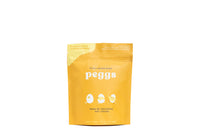
Made by chickpeas, not chicks
This recipe was made with Peggs
$36.00 — Peggs Plant-Based Egg | Vegan, Gluten-Free, Soy-Free
Now that you know what eggs actually do in a recipe, let's get into the good stuff: the best options for replacing them. Each substitute below is evaluated on its primary function, how it affects flavor, which recipes it works best in, where it falls short, and exactly how much you need to replace one large egg. Think of this as your go-to cheat sheet for egg-free baking.
1. Flax Egg
How to use it: Mix 1 tablespoon of ground flaxseed with 3 tablespoons of water. Stir, then let it sit for about 5 minutes until it forms a thick, gel-like consistency.
The flax egg is one of the most popular DIY substitutes for good reason. When ground flaxseed absorbs water, it releases a natural mucilage gel that mimics the binding action of egg whites. The result is a sturdy, cohesive batter that holds together beautifully in dense baked goods.
The flax egg excels in recipes like brownies, oatmeal cookies, carrot cake, and banana bread. These are baked goods where a little extra density is actually a feature, not a bug. The faint nutty flavor that flaxseed brings is virtually undetectable when you're working with chocolate, cinnamon, or other bold flavors.
Where it falls short is in recipes that depend on eggs for lift and lightness. A flax egg adds essentially no leavening power, so fluffy layer cakes, airy muffins, or anything with a delicate crumb is not the right application here. Stick to the denser, heartier end of the baking spectrum and a flax egg will rarely let you down.
2. Chia Egg
How to use it: Combine 1 tablespoon of chia seeds with 3 tablespoons of water. Let it rest for 5 to 10 minutes until a thick gel forms.
The chia egg works on exactly the same principle as a flax egg. Chia seeds are rich in soluble fiber that absorbs water and swells into a sticky gel, providing the binding action eggs would otherwise deliver. The gel formed by chia is actually slightly stronger than flax gel, which can be an advantage in recipes with a lot of mix-ins.
The biggest practical difference between the two is flavor. Chia seeds are more neutral-tasting than flaxseed, making the chia egg a more versatile choice across a broader range of recipes. You can use it in muffins, quick breads, pancakes, and even energy bars without worrying about an unexpected flavor note sneaking in.
One minor visual consideration: black chia seeds will leave small dark specks in lighter batters. If that bothers you aesthetically, white chia seeds are a simple fix, or simply choose the chia egg for batters that are already darker in color. Neither type affects the final texture or flavor in any meaningful way.
3. Unsweetened Applesauce
How to use it: Use 1/4 cup of unsweetened applesauce per egg.
Applesauce is a pantry staple that doubles as a surprisingly effective egg substitute in the right recipes. It contributes moisture and mild binding, which helps hold batters together and keeps finished baked goods from drying out. It also adds a gentle natural sweetness, which is either a bonus or something to account for depending on your recipe.
This substitute shines in muffins, quick breads, spiced cakes, and dense loaves where a moist, tender crumb is the goal. The slight apple flavor is usually complementary in these applications, especially with warming spices like cinnamon, nutmeg, or cardamom.
The limitations are worth knowing upfront. In larger quantities, applesauce can push texture toward the gummy side. It works best when you are replacing only one or two eggs in a recipe. It also does not provide meaningful leavening, so recipes that lean heavily on eggs for rise and structure will not perform well with this swap.
4. Mashed Ripe Banana
How to use it: Use 1/4 cup of mashed ripe banana, which is roughly half a medium banana, per egg.
Mashed banana is a powerful binder that also brings moisture and natural sweetness to whatever you are baking. The riper the banana, the sweeter and more effective it will be, since overripe bananas have broken down their starches into simple sugars and have a softer, more paste-like texture that integrates easily into batter.
The obvious caveat is flavor. Banana does not hide. It will show up in your finished baked good, which is exactly why this substitute is ideal for banana bread, banana muffins, banana pancakes, and even oatmeal cookies where a hint of sweetness is welcome. In recipes with a delicate or neutral flavor profile, like vanilla cupcakes or a classic white cake, the banana flavor will be noticeable and probably unwelcome.
Because banana adds sweetness, you may want to slightly reduce the sugar in your recipe to maintain balance. This is a small adjustment and becomes intuitive once you have tried it a couple of times. For the right recipes, this is an excellent, naturally derived substitute that requires zero special shopping.
5. Silken Tofu
How to use it: Blend 1/4 cup of silken tofu until completely smooth, then add it to your batter as you would an egg.
Silken tofu is made from soy milk that has been coagulated and pressed very lightly, resulting in a smooth, custard-like texture with a high water content. When blended, it becomes virtually seamless in batters and adds moisture, structure, and a subtle richness that makes it particularly effective in denser baked goods.
This is a great substitute for dense chocolate cakes, carrot cake, brownies, and cheesecake-adjacent desserts. The flavor impact is minimal as long as it is fully blended, since the tofu itself is quite neutral in taste. It essentially functions as a moisture and structure provider without competing with the other flavors in your recipe.
The texture tradeoff is real, though. Silken tofu produces a heavier, moister final product than eggs typically would. For recipes where a light, springy crumb is important, this is not your best pick. But for rich, fudgy, or creamy-textured applications, it is genuinely excellent. Make sure to blend it fully before adding; any lumps will create uneven texture in the finished product.
6. Aquafaba
How to use it: Use 3 tablespoons of aquafaba to replace one whole egg, or 2 tablespoons to replace one egg white.
Aquafaba is the liquid left over in a can of chickpeas, and it is, without question, the most functionally impressive plant-based egg substitute available. The proteins naturally present in this liquid behave remarkably similarly to egg white proteins. When whipped, aquafaba forms stiff, glossy peaks that are structurally stable enough for meringues, macarons, and mousses. No other plant-based substitute can do this.
For bakers who assumed meringue and soufflé were permanently off the vegan menu, aquafaba is a genuine revelation. It also works beautifully in light cakes, waffles, and any recipe where aerated egg whites contribute lift and structure. The flavor is essentially neutral, so it does not interfere with delicate recipes the way some other substitutes might.
Where aquafaba struggles is in binding-heavy applications. Cookies, dense bars, and recipes that rely on eggs primarily for cohesion are not the right fit. In those cases, a flax or chia egg will serve you better. But for anything light, airy, or foam-based, aquafaba is in a category of its own. Interestingly, chickpea-based baking products leverage these same proteins and starches, which is why pulse-derived ingredients have become a major focus in egg substitute innovation.
7. Baking Soda and White Vinegar
How to use it: Combine 1 teaspoon of baking soda with 1 tablespoon of white vinegar (or apple cider vinegar) per egg.
This combination works through basic chemistry. When an acid and a base meet, they produce carbon dioxide gas, which creates bubbles in your batter and translates to lift and lightness in the finished bake. It is a simple, inexpensive, and widely available option that most home bakers already have in their kitchen.
This substitute is ideal for recipes where leavening is the egg's primary job: cupcakes, layer cakes, quick breads, and light pancakes all benefit from this approach. The flavors are negligible in the final product as long as you use the right proportions.
The hard limit here is binding. Baking soda and vinegar provide no structural cohesion whatsoever. They will not work in cookies, brownies, bars, or any recipe where eggs are keeping things held together. Use this one specifically when you need rise and airiness, and pair it with another binding substitute if a recipe calls for multiple eggs with overlapping functions.
8. Plain Yogurt or Plant-Based Yogurt
How to use it: Use 1/4 cup of plain yogurt per egg. Greek yogurt works especially well because of its thicker consistency.
Yogurt is an underrated egg substitute that works on a few levels at once. It contributes moisture, provides some binding through its thick protein structure, and adds mild leavening through its natural acidity. That acidity activates baking soda in the recipe, giving your baked goods a subtle boost in rise that makes the final texture softer and more tender.
This substitute performs well in cakes, muffins, and quick breads. It has a slight tang, which is generally pleasant and often unnoticeable once baked. Plant-based yogurts made from coconut, soy, or oat milk work just as well as dairy yogurt in most applications, making this a genuinely versatile option across different dietary needs.
One adjustment to keep in mind: yogurt adds liquid to your batter, so you may need to slightly reduce other liquid ingredients in the recipe to maintain the right consistency. This is especially relevant in recipes that are already fairly moist. A small tweak goes a long way.
9. Commercial Egg Replacer Powders
How to use it: Most powders mix approximately 1 teaspoon of powder with 2 tablespoons of water per egg. Always check the specific package instructions, as ratios can vary by brand.
Commercial egg replacer powders are formulated from the ground up to do what eggs do, and they do it more reliably than any single-ingredient DIY substitute. Because they are specifically engineered to address binding, leavening, and moisture simultaneously, they are the most consistent all-purpose option available, especially for beginners who are still building intuition around egg-free baking.
Eat Peggs is a shelf-stable powdered egg alternative made from chickpeas that fits squarely into this category and then some. While most commercial egg replacers are designed purely for sweet baking applications, Eat Peggs works across both sweet and savory recipes. Think cakes and muffins on one side, and scrambled eggs, omelets, and quiche on the other. That versatility is a meaningful distinction.
The science behind chickpea-based powders is worth understanding, especially since it connects back to aquafaba. Chickpea protein and starch are the compounds responsible for aquafaba's extraordinary functional properties in baking. When those same proteins and starches are concentrated into a powder form, they deliver binding and emulsifying performance that is scientifically grounded rather than just anecdotally reported. It is a clean-label approach built on real food science.
From a practical standpoint, a shelf-stable powder also means you are never caught without an egg substitute on hand. Whether you are stocking a pantry for emergencies, meal prepping for the week, or just mid-recipe with an empty egg carton, a powdered format like Eat Peggs removes the logistical friction that comes with refrigerated or perishable alternatives. According to research on the best egg substitutes for baking, commercial powders consistently rank as the most reliable choice for recipes that need predictable results every time, which makes them particularly valuable when you are baking something you cannot afford to have come out wrong.
If you are just getting started with egg-free baking and want one versatile product that handles the full range of recipes without requiring you to match substitutes to functions, a quality commercial powder is the place to start. As you gain experience, you will develop a feel for when a flax egg makes more sense, or when aquafaba is worth pulling out. But as a foundation, commercial egg replacer powders take most of the guesswork out of the equation.
For a broader look at how to evaluate and choose the best egg substitutes for specific recipes, matching the substitute to the egg's primary function in each dish is always the most reliable strategy. That principle shows up across every option listed here and is the single most useful framework you can carry into any egg-free baking project.
Flax Egg
The flax egg is one of the most popular DIY egg substitutes, and for good reason. It only takes two ingredients you likely already have, and it works beautifully in the right recipes. To make one flax egg, mix 1 tablespoon of ground flaxseed with 3 tablespoons of water, stir well, and let it sit for 5 to 10 minutes. You'll notice the mixture transforms into a thick, slightly sticky gel. That's exactly what you want.
The science behind this is pretty cool. Ground flaxseed contains a soluble fiber that releases a gel-like substance called mucilage when it hits water. This gel forms a three-dimensional network that holds ingredients together, mimicking the binding role that egg whites play in baked goods. It won't replicate the lift that whipped eggs provide, but for recipes where binding is the main job, it performs surprisingly well.
Flax eggs shine brightest in dense, hearty bakes. Think fudgy brownies, chewy oatmeal cookies, banana bread, zucchini muffins, and pumpkin loaves. These recipes are forgiving of a slightly heavier texture, which is a known trade-off. Flaxseed works well as an egg replacement in baking precisely in these applications, while falling short in anything that needs real lift, like sponge cakes or soufflés.
One practical tip worth remembering: brown flaxseed can leave visible dark specks in lighter batters. If you're making vanilla cake or lemon muffins, reach for golden flaxseed instead. The flavor and binding power are essentially the same, but the color is much more subtle.
Chia Egg
If you liked the flax egg, meet its milder cousin. To make a chia egg, simply combine 1 tablespoon of ground chia seeds with 3 tablespoons of water, stir well, and let it rest for about 5 minutes until it thickens into a pudding-like gel. That mixture equals one large egg in your recipe.
The science works similarly to flaxseed. Chia seeds are loaded with soluble fiber called mucilage, which absorbs water and forms a sticky hydrocolloid gel that holds your baked goods together. In fact, chia can absorb up to 12 times its weight in water, giving it impressive binding power with zero animal-derived ingredients.
Where chia really shines is flavor. Unlike flax, which brings a noticeable nutty taste, chia has a much more neutral profile. That makes it the smarter pick for delicately flavored recipes like lemon poppy seed muffins or vanilla sugar cookies, where you want the flavors of the recipe to take center stage.
Chia eggs work best in muffins, pancakes, quick breads, and cookies. They are not ideal for recipes that rely on eggs for lift or structure, like angel food cake or soufflés.
One important tip: always grind your chia seeds before using them. Whole seeds leave visible dark specks and a gritty texture in your finished bake. A coffee grinder or spice grinder works perfectly. If you are working with a light-colored batter and want to avoid dark flecks entirely, white chia seeds are a great workaround. For a deeper dive, this guide to chia seeds as an egg substitute covers the ratios and common pitfalls in helpful detail.
Unsweetened Applesauce
Another pantry staple that pulls double duty in baking is unsweetened applesauce. The ratio is simple: ¼ cup (about 60g) of applesauce replaces one large egg. It scales up cleanly, too. Two eggs become ½ cup, three become ¾ cup. Easy.
So how does it actually work? Applesauce is roughly 85-88% water, but it also contains natural pectin, a plant-based fiber that gels gently under heat. That pectin acts as a mild binder, helping hold your batter together as it bakes. It is not as strong as egg protein, but it does enough in forgiving recipes to get the job done.
Applesauce works best in recipes where a tender, moist crumb is actually the goal: think muffins, banana bread, zucchini bread, spiced cakes, and carrot cake. The mild apple flavor blends seamlessly with warm spices like cinnamon and nutmeg, so you often cannot detect it at all.
One important note: always use unsweetened applesauce. Sweetened versions can throw off your recipe's sugar balance, cause over-browning, and create a gummy texture. Check the label and avoid anything with added sugars or juice concentrate.
The main limitation is that applesauce provides no leavening power. It cannot trap air or create lift the way eggs do, so your baked goods may come out slightly denser and moister than the original. In fudgy brownies or tender muffins, that is a feature. In layer cakes that need to rise and hold structure, it can be a drawback. If you need a bit more lift, try adding a small pinch of extra baking powder alongside your applesauce swap. For a deeper look at how to replace eggs with applesauce, including tips for different recipe types, that resource covers it well.
Mashed Ripe Banana
Next up on the fruit-based substitute list is mashed ripe banana, and this one comes with a important caveat right from the start: you will taste it.
The ratio is the same as applesauce: ¼ cup (about 60g) of well-mashed ripe banana replaces one egg. That works out to roughly half a medium banana. It scales up to two eggs just fine, but if your recipe calls for three or more eggs, banana alone can weigh down the batter significantly. In those cases, combining banana with a flax egg or commercial replacer tends to give better results.
What makes banana work as a binder is its natural starches, pectin, and sugars. The pectin acts similarly to egg protein, helping hold your batter together, while the natural sugars contribute to browning and added moisture. One thing banana cannot do is replicate the lift eggs provide, so expect a slightly denser crumb. Learn more about how banana functions as an egg substitute in your baked goods.
Banana shines brightest in recipes where its flavor is welcome or expected: banana bread (naturally), muffins, pancakes, waffles, and dense snack cakes all work beautifully. As ShortFoodBlog explains, banana is not the right call for neutral recipes like white cake, shortbread, or vanilla cupcakes, since the banana flavor will absolutely come through.
Ripeness matters a lot here. Bananas with brown spots, a soft texture, and easy mashability deliver the best binding and moisture. An under-ripe banana produces a drier, blander result. Also, mash by fork rather than blender to avoid over-thinning the batter. And since banana adds natural sweetness, consider reducing other sweeteners in your recipe by about one to two tablespoons to keep the flavor balanced.
Silken Tofu
Silken tofu is one of the more surprising items on this list, but it genuinely earns its spot. The ratio is straightforward: ¼ cup (about 60g) of blended silken tofu replaces one large egg. The science behind why it works is pretty cool, too. Silken tofu is essentially a soy protein gel, and when it heats up in the oven, those proteins bind together to create structure. The result is dense, creamy, and moist, which makes it a natural match for brownies, chocolate cakes, cheesecakes, and quick breads like banana bread or pumpkin loaves. Strong flavors like chocolate and warm spices also do a great job of masking any mild soy taste, so you likely won't notice it at all.
There is one non-negotiable prep step here: you must blend the silken tofu until it is completely smooth before adding it to your batter. Even small lumps will create uneven pockets in your finished bake, and nobody wants that. A quick 20 to 30 seconds in a blender or food processor does the trick. For more detail on the baking science involved, this silken tofu baking science guide is worth bookmarking.
One important limitation to keep in mind: silken tofu has zero ability to create lift or airiness. Recipes like chiffon cake, angel food cake, or meringue are completely off the table. Also worth noting, soy is a recognized common allergen, so this substitute is not suitable for everyone. If soy is a concern, the other options earlier in this list have you covered.
Aquafaba
Of all the natural egg substitutes on this list, aquafaba is the one that genuinely surprises people. It is, quite literally, the liquid from a can of chickpeas. That cloudy, slightly thick liquid you normally pour down the drain? It turns out it is one of the most functional egg replacers available to home bakers.
The ratio is simple: 3 tablespoons of aquafaba replaces one whole egg, and 2 tablespoons replaces one egg white. That means a standard 15-ounce can of chickpeas gives you enough aquafaba to replace about two to three egg whites, which goes a long way in most recipes.
What makes aquafaba so effective comes down to its chemistry. The chickpea cooking liquid is rich in proteins, starches, and natural plant compounds called saponins. Together, these allow aquafaba to foam when whipped, emulsify fats and liquids, and bind ingredients together. Most egg substitutes can only do one or two of these things. Aquafaba does all three, which is why it stands apart from options like flax eggs or applesauce. According to aquafaba baking research from BakingSubs, those chickpea-derived proteins behave remarkably similarly to egg white proteins when put under mechanical agitation, meaning they trap air and build structure in ways other plant-based ingredients simply cannot match.
This makes aquafaba the clear choice for recipes where air incorporation matters most. It shines in meringues, macarons, whipped desserts, light sponge cakes, and waffles. If a recipe calls for beaten egg whites to create lift or lightness, aquafaba is your best natural option.
One practical note worth knowing: the flavor is essentially neutral once baked. In heartier recipes like waffles or muffins, you will not detect anything unusual at all. In very delicate, lightly sweetened applications like a plain meringue, a faint savory undertone can sometimes linger. A small splash of vanilla extract takes care of this completely. As Eat Healthy 365 notes in their 2026 aquafaba baking guide, this is one of the easiest flavor fixes in vegan baking.
Baking Soda and Vinegar
Here is another clever combo that costs almost nothing and works like magic in the right recipe. To replace one egg, combine 1 teaspoon of baking soda with 1 tablespoon of white vinegar or apple cider vinegar. Stir them together right before adding to your batter, and watch them fizz.
That fizzing is actually the whole point. Baking soda is an alkaline base, and vinegar is an acid. When they meet, they trigger a rapid chemical reaction that releases carbon dioxide gas. Those CO₂ bubbles expand inside your batter during baking, creating lift and a light, airy crumb. It is essentially a turbo boost for leavening.
This substitute shines in cakes, cupcakes, quick breads, muffins, and pancakes, where leavening is the main job eggs are doing. It does not bind, emulsify, or add moisture, so it works best in recipes where flour gluten or fat is already handling the structure.
One important note on flavor: the vinegar smell will seem alarming in the bowl, but it bakes off almost completely. The finished result will not taste sour. That said, stick to the recommended ratio. Using too much can leave a faint acidic or even soapy aftertaste. Also, because this reaction starts immediately, get your batter into the oven quickly so those bubbles do not escape before they can do their job.
Yogurt or Plant-Based Yogurt
Plain yogurt is one of those egg substitutes that probably surprises people because it's already sitting in most refrigerators. The ratio is simple: ¼ cup (about 60g) of plain yogurt replaces one large egg. It scales predictably, so two eggs become ½ cup, and so on.
What makes yogurt effective here is that it works on multiple levels at once. It adds moisture, contributes mild binding through its protein content, and the natural acidity actually activates baking soda, giving your baked goods a small but meaningful lift. That triple function makes it genuinely useful rather than just a one-trick swap.
Yogurt shines brightest in recipes where a soft, tender crumb is the whole point: muffins, snack cakes, quick breads, and pancakes are all excellent candidates. If you're baking something where you want that pillowy, moist texture, yogurt delivers.
The good news for plant-based bakers is that coconut yogurt, soy yogurt, and oat yogurt all perform comparably to dairy yogurt in most applications. The one firm rule across the board: choose a plain, unsweetened variety. Flavored or sweetened yogurts will throw off your recipe's flavor balance in ways that are hard to correct.
The main limitation to keep in mind is tang. Yogurt introduces a mild acidity that can be noticeable in delicately flavored recipes. It's also not the right choice for baked goods that need crisp edges or firm structure, like biscotti or sturdy drop cookies, where the added moisture works against you.
Commercial Egg Replacer Powder
If you want the most reliable, foolproof option on this entire list, commercial egg replacer powder is it. Unlike single-ingredient substitutes such as flax or applesauce, these formulated blends are specifically engineered to handle multiple egg functions at once: binding, leavening, moisture retention, and emulsification. You are not trading one function for another. You are getting a product designed from the ground up to perform like an egg in baked goods.
The general ratio is 1 to 1.5 teaspoons of powder mixed with 2 to 3 tablespoons of water to replace one egg. That said, instructions genuinely vary from one product to the next, so always check the packaging before you start mixing.
Eat Peggs is a great example of what a well-made commercial egg replacer looks like. It is made primarily from chickpeas, it requires no refrigeration, and it is shelf-stable, which makes it convenient whether you are baking at home, meal prepping, or traveling. What makes the chickpea base so effective is that chickpea proteins and starches deliver the same binding and emulsifying chemistry you get from aquafaba, but in a consistent, pre-measured format without the variability of working with canned liquid.
Eat Peggs also goes beyond baking. It works for scrambles, omelets, pancakes, and waffles, making it genuinely one of the most versatile options in this entire category.
Best for: cakes, muffins, cookies, pancakes, waffles, and quick breads, especially when you want consistent results across multiple recipes without experimenting each time.
Egg Substitute Conversion Cheat Sheet
All the substitution ratios you have seen throughout this guide are calibrated to replace one large egg, which weighs approximately 50g without the shell. Keep that baseline in mind as you bookmark this table for your next bake.
Substitute |
Amount to Replace 1 Egg |
Best For |
Limitations |
|---|---|---|---|
Flax egg |
1 tbsp ground flaxseed + 3 tbsp water (rest 5-10 min) |
Cookies, brownies, dense muffins |
No lift; slightly dense result |
Chia egg |
1 tbsp ground chia seeds + 3 tbsp water (rest 5 min) |
Muffins, pancakes, quick breads |
Dark specks visible in light batters if unground |
Applesauce |
1/4 cup unsweetened |
Muffins, spiced cakes, quick breads |
Adds mild sweetness; no lift |
Mashed banana |
1/4 cup |
Banana bread, pancakes, dense muffins |
Strong banana flavor alters the final taste |
Silken tofu |
1/4 cup blended |
Brownies, dense cakes, cheesecakes |
No lift; contains soy (allergen) |
Aquafaba |
3 tbsp |
Meringues, light cakes, waffles |
Mild savory note possible in delicate recipes |
Baking soda + vinegar |
1 tsp baking soda + 1 tbsp vinegar |
Light cakes, cupcakes, pancakes |
No binding ability |
Plain yogurt |
1/4 cup (dairy or plant-based) |
Muffins, snack cakes, quick breads |
Adds tang; no lift; dairy version not vegan |
Commercial powder (e.g., Eat Peggs) |
Per package directions |
All-purpose, most applications |
Efficacy varies by brand formulation |
A quick tip worth repeating: if you use a moisture-heavy substitute like applesauce or banana, stir in 1/4 teaspoon of baking powder per egg replaced to help compensate for the lost lift. Also, these ratios work best in recipes calling for one or two eggs. The more eggs a recipe relies on for structure, the trickier substitution becomes, so start simple while you are still getting comfortable with the process.
Which Egg Substitute Works Best for Each Baked Good?
Now that you have met every substitute individually, let's put them to work. The real skill in egg-free baking is not just knowing what to substitute, it's knowing which substitute belongs in which recipe. Here's a practical breakdown by baked good so you can grab the right tool every time.
Cookies
For chewy, dense cookies, a flax egg or chia egg is your best starting point. Both create that satisfying bite by binding the dough without adding unwanted lift. Chia eggs work just as well as flax, though they leave small visible specks, so they blend in more naturally with darker batters like chocolate chip or double chocolate cookies. If your recipe calls for crisp edges or you're baking across multiple cookie styles in one session, commercial egg replacer powder is the more reliable choice since it more closely mimics the full range of what eggs do, including that slight structural hold that helps cookies keep their shape.
Cakes and Cupcakes
This category has the most variation because cakes range from light and airy to dense and rich. For light layer cakes, aquafaba is the standout option since it's the only natural substitute that genuinely whips into peaks, trapping air for real lift. For a simpler leavening boost in white or yellow cakes, the baking soda and vinegar combination works well, though keep in mind it only provides lift and not binding or moisture. For dense chocolate cakes, blended silken tofu fits naturally because it adds richness and structure without competing flavors. When you want consistent results across all cake types without thinking too hard about it, commercial egg replacer powder is the safest bet.
Muffins and Quick Breads
All four of these options earn a spot here: applesauce, chia egg, yogurt, and commercial powder. The decision really comes down to flavor and moisture. Applesauce and yogurt both add noticeable moisture, which is a plus in denser muffins but can tip a lighter quick bread toward gummy if you're not careful. Applesauce also brings a mild fruity note that pairs beautifully with spiced recipes like banana bread or carrot muffins. Yogurt adds gentle acidity that reacts with baking soda for a little extra rise. Chia egg and commercial powder keep things flavor-neutral when you want the recipe's other ingredients to shine.
Brownies
Brownies want to be fudgy, dense, and a little sticky, which means your substitute needs to bind without adding lift. Silken tofu and flax egg are both ideal here. The flax egg holds everything together while contributing to that moist, chewy texture brownie fans love. Silken tofu needs to be blended completely smooth before mixing in, but it delivers richness that firm tofu simply cannot match. Mashed banana can work in a pinch, especially in chocolate brownies where the cocoa flavor can largely mask the banana, but only use it if that subtle fruitiness genuinely doesn't bother you.
Pancakes and Waffles
For the fluffiest possible stack, whipped aquafaba is hard to beat. It introduces air into the batter the same way a beaten egg would, giving you that light, tender crumb. For everyday mornings when you're not up for whipping anything, mashed banana, applesauce, or a chia egg all work well and require almost no prep. Banana adds flavor, applesauce stays mild, and chia provides quiet binding. Commercial egg replacer powder is the easiest option of all since you just mix it in dry and move on.
Yeast Breads and Rolls
Good news here: eggs are actually less critical in yeast breads than in almost any other baked good. Gluten does the heavy structural lifting, so the egg's role is mostly enriching color and tenderness. A small amount of commercial powder or aquafaba handles that job quietly. In many straightforward sandwich loaf or dinner roll recipes, you can simply leave the egg out entirely with very little impact on the finished result.
Why More People Are Skipping Eggs Right Now
So why is everyone suddenly talking about egg substitutes? There are actually several converging reasons, and together they explain why this shift is happening right now rather than ten years ago.
Egg prices have become genuinely unpredictable. Recurring avian influenza outbreaks have repeatedly disrupted the U.S. egg supply, forcing retail prices to historic highs. When a dozen eggs starts costing as much as a full meal, home bakers start looking for alternatives, not just out of preference, but out of practicality. For many households, that curiosity stuck even after prices temporarily dipped.
Dietary preferences have shifted well beyond veganism. Over 62 million U.S. consumers now identify with plant-based or flexitarian eating patterns. That is a massive audience that is not necessarily anti-egg but is actively open to alternatives depending on convenience, cost, and what happens to be in the pantry. Egg substitutes have quietly become a mainstream tool rather than a niche workaround.
Egg allergies are a real and growing concern in family kitchens. Egg allergies are among the most common food allergies in young children, which means millions of parents are actively searching for reliable baking substitutes just to keep their kids safe at birthday parties, school bake sales, and everyday snack time.
Cholesterol is another motivator that often goes unspoken. A single large egg contains roughly 186mg of dietary cholesterol, which is more than half the daily limit many health organizations recommend. For people managing heart health, switching to cholesterol-free alternatives in baking is a low-effort, meaningful change.
Sustainability matters more than it used to. Plant-based egg alternatives generally carry a significantly smaller carbon and water footprint compared to conventional egg production, and that consideration is influencing purchasing decisions in a way it simply did not a decade ago.
The numbers back all of this up. The global egg substitutes for baking market was valued at approximately $1.48 billion in 2025, with growth projections ranging from a 5.9% to 12.3% CAGR depending on the forecast model. That kind of market momentum does not come from a niche trend. It reflects a genuine, broad-based shift in how people think about eggs and what belongs in their recipes.
Shelf-Stable vs. Refrigerated Egg Substitutes: What Is the Practical Difference?
If you have ever bought a carton of liquid egg substitute and forgotten about it in the back of your fridge, you already understand the core problem. Once opened, most refrigerated liquid egg substitutes need to be used within just three days. Unopened, they typically last no more than 10 days from purchase. Most cannot even be frozen, because the formulation breaks down and the texture and binding properties deteriorate. That is a very tight window, especially if you only bake occasionally.
The cold-chain dependency also makes liquid formats genuinely impractical outside a home kitchen. If you are camping, living in an RV, road-tripping, or building out an emergency food supply, a product that requires constant refrigeration and spoils in days simply does not fit. Shelf-stable powdered egg substitutes solve this directly. They require no refrigeration, store cleanly in a pantry or pack easily in a bag, and are ready whenever you need them without any race against a spoilage clock.
There is also a precision advantage worth noting. Because powdered formats are measured and mixed per use, you only reconstitute exactly what a recipe calls for. Nothing sits open and deteriorating in your fridge. That per-use control reduces waste and gives you more confidence that each batch performs consistently.
It is worth noting that powdered bakery egg replacers hold between 46 and 75 percent of the egg substitute market share by format, according to industry research. That dominance reflects a simple reality: for both commercial bakeries and home pantries, shelf stability and flexibility matter. A shelf-stable powdered option like Eat Peggs covers the widest range of recipes without the spoilage pressure, making it a genuinely practical everyday choice.
Frequently Asked Questions About Egg Substitutes for Baking
Can I use egg substitutes in any baking recipe?
Most recipes handle egg substitutes quite well, but a few categories are genuinely tricky. Recipes that depend almost entirely on eggs for their structure, like angel food cake, classic chiffon cake, or soufflés, are the hardest to adapt because there is no great workaround for whipped egg whites. The key is to identify what the egg is doing before you swap it out. Is it binding? Leavening? Adding moisture? Your answer tells you which substitute to reach for.
What is the best egg substitute for binding in baking?
For binding, your strongest options are flax egg, chia egg, silken tofu, and commercial egg replacer powder. All four form gels or thick consistencies that mimic the way coagulated egg protein holds a batter together. Flax and chia eggs are ideal for cookies, brownies, and dense cakes. Silken tofu works beautifully in brownies and cheesecakes, but blend it thoroughly to avoid a grainy texture. Commercial powders offer the most consistent results and work across the widest range of recipes.
Does using an egg substitute change the texture or taste?
It can, and this really depends on which substitute you choose. Banana adds a strong, recognizable flavor and increases density. Applesauce adds mild sweetness and extra moisture but has minimal binding power on its own. Aquafaba, especially from chickpeas, is remarkably neutral in both taste and texture. Commercial egg replacer powders are also flavor-neutral and tend to produce the most consistent crumb. One thing worth knowing: fruit-based substitutes like applesauce do not emulsify the way egg yolk does, which means baked goods may stale a little faster than their egg-based counterparts.
Are egg substitutes healthier than eggs?
This genuinely depends on your health goals, and neither option is universally better. Most plant-based egg substitutes are cholesterol-free and lower in saturated fat, which may be relevant for people managing heart health. Whole eggs, on the other hand, provide complete protein and important micronutrients like choline and vitamin D. Current dietary guidelines recommend moderation and individualized choices rather than blanket avoidance of either option.
What is the best egg substitute for someone with an egg allergy?
Flax egg, chia egg, aquafaba, and verified plant-based commercial powders are all safe starting points. The critical step is reading the label carefully. Some products marketed as egg-free may still contain egg derivatives, and cross-contamination warnings on packaging should never be skipped.
Can I use egg substitutes in yeast breads?
Yes, fairly easily. Eggs play a supporting role in most yeast bread recipes rather than a structural one, so in many cases you can simply leave the egg out entirely. If you want a direct replacement, a small amount of commercial powder or aquafaba works well. Note that flax or chia gels can slightly inhibit gluten development in yeast doughs, so commercial powder tends to be the cleaner swap here.
How many eggs can I replace at once?
Replacing up to two eggs works reliably in most recipes. Once you go beyond two, structure can become unpredictable and you may need to adjust both leavening and acidity to compensate. If a recipe calls for three or more eggs, it is often worth searching for a dedicated egg-free version of that recipe rather than trying to convert the original.
The Bottom Line on Egg Substitutes for Baking
There is no single best egg substitute for baking, and that is actually good news. Once you understand that the right choice depends on what the egg is doing in your specific recipe, plus your personal priorities around flavor, convenience, nutrition, or allergen avoidance, the whole process becomes much more manageable.
For everyday baking across a wide variety of recipes, a commercial egg replacer powder is your most reliable starting point. No guesswork, no flavor surprises, and a long shelf life mean it is ready whenever you need it without any extra prep.
That said, natural substitutes each have a clear sweet spot. Flax egg excels in dense, chewy bakes. Aquafaba shines wherever you need lift and airiness. Applesauce works beautifully when moisture is the main goal. Matching the substitute to the recipe consistently beats using one option for everything.
If you want a single shelf-stable option that handles baking, scrambles, and more, Eat Peggs delivers a chickpea-based powdered substitute worth keeping in your pantry year-round.
Bookmark the conversion cheat sheet earlier in this article, pick one substitute at a time, and give it a real test. Most home bakers land on a reliable go-to within just a few tries.
Conclusion
Running out of eggs no longer has to mean the end of your baking plans. As you've seen, there are reliable substitutes for every situation, whether you need a binder, a leavening agent, or added moisture. Flax eggs, applesauce, aquafaba, and mashed banana each bring something unique to the table, and choosing the right one simply comes down to your recipe and what you have on hand.
Here are your key takeaways: different eggs do different jobs, so match your substitute to the function. Most swaps use simple pantry staples. With the right choice, your results will be just as delicious.
Now it's your turn. Pick one substitute, try it in your next bake, and see the magic for yourself. Share your results in the comments below. Happy baking!
Free download
Get the Egg-Free Baking Cheat Sheet
The one ratio to remember, quick conversions, and where to add Peggs — straight to your inbox.
You're in! Grab your cheat sheet below.
Download the cheat sheet