
The Complete Guide to Egg Substitutes for Baking, Cooking and More
UpdatedWhether you ran out of eggs mid-recipe or you're exploring a vegan lifestyle, finding yourself without this kitchen staple can feel pretty stressful. But here's the good news: you don't need eggs to make delicious food!
Egg substitutes have come a long way, and there are so many fantastic options available today that work beautifully in everything from fluffy pancakes to rich chocolate brownies. The best part? Most of these alternatives are probably already sitting in your pantry or fridge right now.
In this guide, we're breaking down the best egg substitutes for baking, cooking, and beyond. You'll learn exactly what each substitute does, when to use it, and how much to swap in for a single egg. No complicated science, no confusing jargon, just simple and practical swaps that actually work.
Whether you're a total beginner in the kitchen or simply looking to expand your cooking toolkit, this list has something for everyone. By the end, you'll feel completely confident reaching for an egg alternative without missing a beat. Let's dive in!
What Does an Egg Actually Do? Why Substitutes Are Not One-Size-Fits-All
Before you can pick the right egg substitute, it helps to understand why eggs are so hard to replace in the first place. A single egg quietly handles up to five different jobs in a recipe at once, and the reason so many substitutions go wrong is that people swap one ingredient for another without thinking about which job actually matters most in that specific dish.
Here is a quick breakdown of what eggs actually do in your cooking and baking:
1. Binding holds your ingredients together. When egg proteins heat up, they coagulate and essentially glue everything into a cohesive structure. This is why cookies hold their shape, veggie burgers do not fall apart on the grill, and meatballs stay in one piece. According to Egg Substitutes for Baking: What Actually Works, failed binding is the number one reason baked goods crumble when you use the wrong substitute.
2. Leavening gives your baked goods lift. When you whip or beat eggs, they trap air. That air expands in a hot oven and pushes your cake, souffle, or muffin upward. Not every substitute can replicate this, which is why a flax egg works beautifully in a dense brownie but turns a light sponge cake into a gummy brick.
3. Emulsification keeps fat and water from separating. This function comes almost entirely from lecithin, a compound found in the egg yolk. It is what makes mayonnaise creamy and custards smooth. Most pantry substitutes like applesauce or mashed banana contain no lecithin equivalent, so they simply cannot do this job reliably.
4. Moisture retention keeps your crumb tender. About three-quarters of an egg is water, which prevents muffins and quick breads from drying out.
5. Protein setting is what firms up scrambled eggs, omelets, and quiches during cooking. As Replacing Real Eggs: The Ultimate Substitute Guide explains, this is the hardest function for common pantry swaps to replicate, because it requires proteins that actually denature and set under heat.
The bottom line is that most substitutes are great at one or two of these jobs and poor at the rest. Figuring out which function your recipe depends on most is the single most important step you can take before reaching for a replacement.
The Best Egg Substitutes for Baking
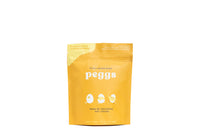
Made by chickpeas, not chicks
This recipe was made with Peggs
$36.00 — Peggs Plant-Based Egg | Vegan, Gluten-Free, Soy-Free
Now that you know what eggs actually do in a recipe, let's talk about the best options for replacing them in the oven. The good news: you probably already have several of these in your kitchen right now.
1. Flax Egg
Mix 1 tablespoon of ground flaxseed with 3 tablespoons of water, stir it together, and let it sit for about 5 minutes. What you get is a thick, gel-like mixture that acts as a reliable binder in dense baked goods. Flax eggs work beautifully in muffins, brownies, and banana bread, where holding ingredients together matters more than creating a light, airy texture. Just keep in mind that flax adds a mild nutty flavor and can slightly darken your batter, so it is best suited for recipes where those qualities blend in rather than stand out.
2. Chia Egg
A chia egg follows the exact same ratio as a flax egg: 1 tablespoon of chia seeds mixed with 3 tablespoons of water, rested for 5 minutes. The binding strength is very similar, but chia has almost no flavor, which makes it a more flexible option across a wider range of recipes. If you are baking something light in color, like a vanilla muffin or a pale sugar cookie, chia is the smarter choice. One small note: whole chia seeds can leave tiny dark specks in your baked goods, so if that bothers you aesthetically, grind them first.
3. Aquafaba
This one surprises a lot of people. Aquafaba is simply the liquid from a can of chickpeas, and it performs like nothing else when it comes to whipped baking applications. Use 3 tablespoons per egg, or 2 tablespoons if you are only replacing a white. With an electric mixer running for 6 to 10 minutes, aquafaba whips into stable, glossy peaks that work in meringues, macarons, mousse, and pavlova. Adding a small pinch of cream of tartar helps stabilize the foam even further. It is genuinely the only widely validated option for vegan meringue, and vegan egg substitutes that actually work back this up consistently. Where aquafaba falls short is binding and structure, so do not rely on it for cookies or quick breads.
4. Unsweetened Applesauce
A quarter cup of unsweetened applesauce replaces one egg and does a nice job of keeping baked goods moist. The natural pectin in applesauce provides a little binding too, which is why it works well in quick breads, spiced muffins, and simple cakes. What it does not do is add lift or structure, so if your recipe depends on eggs for height or firmness, applesauce alone will leave you with something denser than intended. A quick fix is adding an extra quarter teaspoon of baking powder to compensate.
5. Mashed Ripe Banana
Use a quarter cup of well-mashed ripe banana per egg. Banana adds moisture, natural sweetness, and a noticeable flavor that can easily take over a recipe. This makes it a great match for banana bread, fruit muffins, or any bake where a tropical note is welcome. In neutral-flavored recipes like vanilla cake or classic chocolate chip cookies, banana flavor tends to compete rather than complement. Use it with intention and it works wonderfully; use it as a default and you may end up surprised.
6. Silken Tofu
Blend a quarter cup of silken tofu until it is completely smooth, then use it as a one-to-one egg replacement. The texture is dense and creamy, and the flavor is nearly neutral, making silken tofu an excellent choice for cheesecakes, custards, and fudgy brownies. It contributes protein and moisture without any lift, so it fits best in recipes that are already meant to be rich and dense. Make sure it is fully blended before adding it to your batter; any lumps will affect the final texture.
7. Commercial Powdered Egg Substitutes
Powdered egg substitutes, including chickpea-based options like Eat Peggs, are widely considered the most versatile option for baking. Unlike single-ingredient substitutes that each cover only one egg function, commercial powders are specifically formulated to handle binding, moisture, and leavening at the same time. They are also shelf-stable and measured in precise per-serving portions, which takes a lot of the guesswork out of substituting. According to practical egg substitution guides, this kind of all-in-one formulation is especially helpful when you are new to egg-free baking and do not yet have a feel for how different substitutes behave.
8. Vinegar Plus Baking Soda
Combine 1 teaspoon of vinegar with a quarter teaspoon of baking soda and add it to your batter. The two ingredients react to produce carbon dioxide bubbles, which give cakes and cupcakes the lift they need. This combination is purely a leavening solution; it provides zero binding, so it is not appropriate for recipes where structure is the main concern. Think of it as a helper rather than a full replacement. It works best in light, tender cakes where lift is really the only job the egg was doing.
A practical tip worth keeping in mind: for recipes that replace more than one or two eggs, combining substitutes often gives better results than relying on just one. For example, pairing a flax egg for binding with a small amount of vinegar and baking soda for lift can get you much closer to the texture of the original recipe.
The Best Egg Substitutes for Scrambled Eggs, Omelets, and Savory Cooking
Here's the truth that most egg substitute guides won't tell you: if you're looking to make a scramble, fold an omelet, or bake a quiche, flax eggs and applesauce are completely useless. Those pantry staples work beautifully in muffins and cookies because baking just needs binding. Savory cooking is a different challenge entirely. You need a substitute with enough protein to coagulate when it hits a hot pan, the ability to hold moisture, and enough structural integrity to actually fold without falling apart. That narrows the field significantly, but the good news is there are some genuinely great options.
1. Chickpea-Based Powdered Substitutes (The Most Convenient Option)
Chickpea-based powdered egg substitutes are purpose-built for savory cooking in a way that most pantry alternatives simply are not. Eat Peggs, for example, is a shelf-stable powdered formula made primarily from chickpeas that is designed to scramble, fold, and set in a pan just like conventional eggs. You mix it with water, pour it into a heated skillet, and cook it like you normally would. No refrigeration required, no short shelf life to worry about, and no special seasoning tricks needed to make it taste like breakfast. This makes it especially practical for meal prep, camping, RV living, and emergency food storage, where keeping a carton of tofu on hand simply is not realistic.
2. Firm Tofu (The Classic Vegan Scramble)
Firm tofu has been the go-to vegan scramble base for decades, and for good reason. When you crumble it into a hot oiled pan, the texture lands surprisingly close to egg curds. The catch is that plain tofu tastes like nothing, so seasoning is everything. The winning combination, widely used in egg-free scramble and omelet cooking, is turmeric for that golden-yellow color, black salt (kala namak) for a sulfurous, egg-like aroma, and nutritional yeast for savory umami depth. Kala namak is genuinely the secret weapon here; it is what makes a tofu scramble smell and taste like eggs rather than plain cooked bean curd. Firm tofu does require refrigeration and has a shorter usable window than powder-based formats, so it is best for home kitchens with regular grocery access.
3. Silken Tofu (For Softer, Creamier Results)
If firm tofu gives you a chunky, diner-style scramble, silken tofu goes in the opposite direction. Blended smooth and poured into a pan, it produces a softer, custard-like texture that works beautifully in French-style scrambles and quiche fillings. Use about a quarter cup of blended silken tofu per egg. The same seasoning trio applies; kala namak, nutritional yeast, and turmeric will carry the flavor. Silken tofu also sets reasonably well in the oven when combined with other binding ingredients, making it a viable option for quiches and frittatas. Like firm tofu, it needs to stay refrigerated.
4. Mung Bean-Based Products
Mung bean protein has earned serious commercial traction in the plant-based egg space because it behaves remarkably like egg white protein when cooked. It coagulates, it holds moisture, and it delivers a texture that feels genuinely egg-like rather than bean-like. Mung bean egg products appear in both liquid and powdered commercial formats and tend to be high in protein, making them a strong choice for savory applications. They are among the more convincing options if you are looking for something that closely mimics the experience of cracking a conventional egg into a pan.
5. Quiches and Frittatas: The Toughest Test
Oven-baked savory dishes separate the serious substitutes from the rest. A quiche or frittata needs to set firm as it bakes, which rules out most baking-aisle options entirely. According to guides focused specifically on savory egg substitutes, the options that reliably work for oven-set dishes include chickpea flour batters (2 tablespoons flour plus a quarter cup of water per egg), silken tofu blends, and commercial powdered formats specifically formulated for this purpose. If you want one option that handles scrambles, omelets, AND baked savory dishes without needing refrigeration, a quality chickpea-based powder is genuinely the most versatile choice in this category.
Quick-Reference Chart: Which Egg Substitute Works for What
Sometimes the fastest way to find the right substitute is to see everything side by side. Use this chart as your go-to reference whenever a recipe calls for eggs and you need a quick answer.
Substitute |
Best Use Case |
Ratio per 1 Large Egg |
Flavor Impact |
Refrigeration Needed? |
Shelf Life |
|---|---|---|---|---|---|
Flax Egg |
Binding: muffins, cookies, brownies |
1 tbsp ground flaxseed + 3 tbsp water |
Slightly nutty (unnoticeable in bold flavors) |
No (dry) |
Months as dry; use gel immediately |
Chia Egg |
Binding: dense cakes, brownies, cookies |
1 tbsp chia seeds + 3 tbsp water |
Neutral; visible specks in light batters |
No (dry) |
Months as dry; use gel immediately |
Aquafaba |
Leavening/aeration: meringues, mousses, macarons |
3 tbsp chickpea liquid |
Very neutral |
Yes (once opened) |
3 to 5 days refrigerated |
Applesauce |
Moisture: muffins, quick breads, spice cakes |
¼ cup (60g) unsweetened |
Mild sweetness |
Yes (once opened) |
7 to 10 days refrigerated |
Mashed Banana |
Moisture: pancakes, muffins, banana bread |
¼ cup (65g) |
Distinct banana flavor |
Yes |
Use within a few days |
Silken Tofu |
Moisture/density: brownies, cheesecakes, custards |
¼ cup blended smooth |
Very neutral |
Yes (once opened) |
3 to 5 days refrigerated |
Firm Tofu |
Savory cooking: scrambles, frittatas |
¼ cup crumbled |
Neutral; absorbs seasoning well |
Yes (once opened) |
3 to 5 days refrigerated |
Chickpea Powder |
Savory cooking: omelets, frittatas, veggie burgers |
3 tbsp + 3 tbsp water |
Mild legume flavor |
No (dry) |
6 to 12 months pantry-stable |
Vinegar + Baking Soda |
Leavening only: light cakes, pancakes |
1 tsp vinegar + ¼ tsp baking soda |
Neutral |
No |
Pantry-stable; combine and use immediately |
Mung Bean-Based Powder |
Baking AND cooking: scrambles, omelets, baking |
Per product instructions |
Egg-like when seasoned |
No (powder format) |
Long-term pantry-stable |
Eat Peggs (Chickpea Powder) |
Baking AND cooking: scrambles, omelets, pancakes, quiche |
Per product instructions |
Mild, savory, egg-like |
No |
Long-term shelf-stable |
A few things jump out when you look at the shelf life column. Flax and chia seeds are pantry-friendly for months as dry ingredients, which makes them budget-friendly staples. But aquafaba, silken tofu, firm tofu, applesauce, and banana all require refrigeration once opened and need to be used within days. That is a real limitation if you are meal prepping, camping, or stocking up for emergencies.
The other pattern worth noticing is the "best use case" column. Most substitutes on this list are either baking-only or cooking-only. Aquafaba is brilliant for whipping into peaks, but it will not scramble. Applesauce adds great moisture to a muffin, but it has no business in an omelet pan. You can read more about how these substitutes perform in specific baking applications and browse a broader egg substitute chart for visual reference.
Powdered formats are the exception. They are the only entries in this table that perform across both baking and savory cooking without needing refrigeration, making them the most practical all-around option for everyday cooking, travel, and long-term storage.
Egg Substitutes for People with Egg Allergies
Egg allergy is one of the most common food allergies in the world, especially among young children. According to the American Academy of Allergy, Asthma and Immunology, it affects roughly 2% of children in the United States, though many do outgrow it by school age. The tricky part is that managing an egg allergy means avoiding all egg proteins, not just the yolk or just the white. Both contain allergenic proteins, so partial substitution is not an option for someone with a true allergy.
One of the biggest challenges is spotting eggs on ingredient labels when they do not show up as "egg." FARE (Food Allergy Research and Education) maintains a thorough list of hidden egg-derived ingredients to watch for, including albumin, globulin, lysozyme, mayonnaise, meringue, and surimi. These turn up in unexpected places like pasta, breaded foods, and certain candies. Reading every label carefully is a non-negotiable habit for allergy households.
The good news is that most plant-based egg substitutes are naturally egg-free by design. However, if the allergy is severe or carries a risk of anaphylaxis, cross-contamination is a real concern. Always check commercial products for "may contain egg" or "processed in a facility with egg" warnings, as explained in this complete baking guide.
Aquafaba and chickpea-based powders, like Eat Peggs, tend to be among the most ingredient-transparent options available. That said, chickpeas belong to the legume family alongside peanuts, so anyone with a legume sensitivity or peanut allergy should flag this with their doctor before using them.
For allergy-conscious households, commercial powdered substitutes with clearly printed, verified ingredient lists offer more consistency than DIY swaps. You know exactly what is in them, which matters when cooking for a child with a diagnosed allergy. As the Allergy Clinic's baking guide for allergy families points out, dedicated egg-free recipes tend to yield better and more reliable results than simply swapping eggs out of a conventional recipe.
Above all, please consult a physician or registered dietitian before making dietary changes for anyone managing a diagnosed egg allergy, especially children. This content is educational and is not a substitute for personalized medical advice.
Egg Substitutes by Lifestyle and Use Case
Not every person reaching for an egg substitute is doing it for the same reason. Your motivation shapes which format, which ingredient, and which approach will actually work for you. Here's a practical breakdown by who you are and how you live.
For Vegans
If you're fully plant-based, your main priority is finding substitutes that are certified vegan, nutritionally solid, and flexible enough to handle everything from banana bread to a Sunday morning scramble. Since eggs show up in such a wide range of recipes, a single-trick substitute won't cut it. Look for options that carry verified vegan certification rather than just assuming a product is animal-free. From a nutrition standpoint, plant-based egg substitutes are typically cholesterol-free and many are fortified with vitamins like B12 and A, making them a credible swap rather than just a functional one. Chickpea-based powdered formats, in particular, tend to perform well across both baking and cooking, which reduces the need to stock multiple products for different recipe types.
For Flexitarians and Reducetarians
You don't have to give up eggs entirely to benefit from egg substitutes. If your goal is simply to cut back, powdered egg substitutes make partial substitution genuinely easy. You can keep eggs in the fridge for weekend omelets while reaching for a plant-based powder on weekday mornings or when baking a batch of muffins. This low-commitment approach fits naturally into an existing kitchen routine without requiring a full overhaul. Powdered formats are especially practical here because they sit in your pantry alongside your flour and spices, ready when you need them and out of the way when you don't.
For Campers, Hikers, and Travelers
This is where shelf-stable powdered egg substitutes genuinely have no competition. When you're on a trail, in an RV, or navigating a hotel room with a hot plate, refrigeration simply isn't available. Powdered formats pack light, take up minimal space, measure out cleanly without any mess, and reconstitute with just water and a pan. Whether you're making camp scrambles at sunrise or mixing up pancake batter at a campsite, a powdered egg substitute handles the job without requiring a cooler.
For Meal Preppers
Batch cooking rewards consistency and precision, and powdered egg substitutes deliver both. There's no expiration pressure hanging over you mid-week, and scooping a measured amount of powder is far more repeatable than cracking and whisking individual eggs across a large batch. Sealed powdered formats also hold up well through a full week of refrigerated storage once cooked.
For Emergency Food Storage
Powdered egg substitutes fill a real gap in emergency pantry planning. Sealed chickpea-based powders store easily alongside rice, lentils, and canned goods without refrigeration or special conditions, and many manufacturers report shelf lives of one to several years for unopened containers. That kind of long-term stability makes them a practical addition to any emergency food supply.
For Health-Conscious Consumers Watching Cholesterol
Plant-based egg substitutes contain zero dietary cholesterol, which is a meaningful distinction for anyone managing their cardiovascular health through diet. The American Heart Association recommends limiting dietary cholesterol as part of a heart-healthy eating pattern, and swapping in plant-based alternatives is one way to work toward that goal. That said, individual outcomes vary depending on your overall diet and health profile, so it's always worth discussing significant dietary changes with your doctor or a registered dietitian.
Egg Substitute Nutrition Comparison: How Do They Stack Up?
If you've been wondering whether egg substitutes are actually nutritious or just functional, this breakdown is for you. Spoiler: the answer depends a lot on which substitute you're using and what nutritional goals matter most to you.
The Conventional Egg Baseline
A large conventional egg clocks in at roughly 70 calories, 6 grams of protein, 5 grams of fat, and about 186 mg of dietary cholesterol. It also delivers a surprisingly impressive micronutrient profile, including choline, vitamin D, vitamin B12, iodine, and folate. For high-frequency egg eaters, that cholesterol number is often the biggest motivator to explore alternatives, though it's worth noting that current research suggests dietary cholesterol has a more variable effect on blood cholesterol levels than scientists once believed. Still, for individuals managing cardiovascular risk factors or with specific genetic predispositions, swapping to a cholesterol-free option is a meaningful choice.
The One Clear Win: Zero Cholesterol Across the Board
Here's where every plant-based egg substitute earns a point, regardless of what it's made from. Whether you're using chickpea-based powder, a flax egg, silken tofu, or aquafaba, none of them contain dietary cholesterol. Zero. That's a consistent and meaningful distinction for anyone keeping an eye on heart health, and it's one of the most straightforward reasons people make the switch according to nutrition experts who've reviewed the full substitute landscape.
Protein: Where the Gaps Get Real
This is where plant-based substitutes start to diverge from each other significantly. Chickpea-based powders and mung bean-based products come closest to matching a whole egg's protein contribution, making them strong options when you actually want a protein-rich meal. Silken tofu offers around 3 to 4 grams per quarter cup serving, which is respectable. Flax and chia gel, on the other hand, contribute very little protein despite their other nutritional benefits like omega-3s and fiber. And fruit-based substitutes like applesauce or mashed banana? Essentially zero protein, which is fine for baking but not great if you're eating a scramble hoping to stay full until lunch.
Calories, Micronutrients, and the Gaps Worth Knowing
Most plant-based substitutes come in at fewer calories per egg equivalent, which can be a positive depending on your goals. Fruit-based options do add natural sugars, so keep that in mind if you're managing blood sugar.
The bigger nutritional gap is micronutrients. Conventional eggs are one of the best natural sources of choline, a nutrient critical for brain function, plus they deliver vitamin D and B12 in meaningful amounts. Most plant-based substitutes don't replicate these naturally. Some commercial products are fortified to partially close that gap, but it's inconsistent across brands. If egg substitutes are becoming a regular part of your routine, it's worth supplementing or diversifying your diet to cover those bases.
Practical Tips for Getting the Best Results with Egg Substitutes
Knowing which substitute to use is only half the battle. Getting great results also comes down to technique. Here are six practical tips that will save you from flat muffins, rubbery scrambles, and a lot of wasted ingredients.
1. Start simple and work your way up. If you're new to egg substitutes, begin with recipes that only call for one or two eggs. Think banana bread, muffins, or basic cookies. These are forgiving because eggs aren't doing the heavy structural lifting. Recipes like chiffon cake or angel food cake rely on multiple whipped eggs for their entire rise and texture, and no substitute can fully replicate that kind of complexity. Nail the easy stuff first, then gradually tackle more challenging bakes as your confidence grows.
2. Get your hydration right. This is the number one mistake people make with powdered egg substitutes, and it's an easy one to fix. Whether you're using a product like Eat Peggs or mixing a flax egg, the water ratio matters enormously. Too little water and the substitute won't activate properly, leaving your baked goods dry and crumbly. Always follow the recommended ratio carefully, mix thoroughly, and give it a minute or two to fully hydrate before adding it to your batter.
3. Mix gently when leavening is involved. If your substitute relies on trapped air bubbles for lift, such as whipped aquafaba or a baking soda and vinegar combination, overmixing is your enemy. Those air bubbles are fragile. Once you fold the substitute into your batter, stir just enough to combine and stop. A few streaks are far better than a dense, flat result.
4. Use room-temperature substitutes. Cold ingredients don't blend as smoothly into batters and can cause uneven mixing. This is a fundamental baking principle that applies just as much to egg substitutes as it does to butter or milk. Pull refrigerated substitutes out 15 to 20 minutes before you start baking.
5. Go low and slow for savory dishes. When making scrambled eggs or an omelet with a powdered substitute, medium-low heat and gentle stirring are non-negotiable. High heat pushes past the ideal temperature range for soft, custardy results and gives you something dry and rubbery instead. Patience here makes a real difference.
6. Batch-test before going all in. Trying a new substitute for the first time? Mix up a single muffin or one small pancake before committing to a full batch. This takes five minutes and saves you from discovering a problem after you've used up your ingredients.
Frequently Asked Questions About Egg Substitutes
Can I use egg substitutes in any recipe?
Almost, but not quite. Most everyday recipes, think cookies, muffins, pancakes, quick breads, and casseroles, have at least one good substitute option. The trick is identifying what the egg is doing in that specific dish before you swap it out. Is it binding ingredients together? Adding lift? Providing moisture? Once you know the function, matching it to the right substitute becomes much more straightforward. Where things get tricky is in highly technique-dependent recipes like soufflés, angel food cake, or light chiffon cakes, which rely on whipped egg proteins for structural lift that most substitutes simply cannot replicate. For everyday cooking and baking, though, you have plenty of options.
What is the best egg substitute for cookies?
It depends on the texture you are going for. For soft, chewy drop cookies, a flax egg or chia egg works really well. Both provide the binding you need without dramatically changing the flavor. The basic ratio is simple: 1 tablespoon of ground flaxseed mixed with 3 tablespoons of water, then rested for five minutes until it becomes gel-like. For crispier cookies or when you want a more predictable, consistent result, a commercial powdered egg replacer tends to be the better call. Powdered formats are shelf-stable, easy to measure, and perform reliably across batches.
Are egg substitutes healthy?
Generally speaking, most egg substitutes are lower in cholesterol than whole eggs, which is one of the main reasons people seek them out. Some, like flax eggs, also bring a bonus of omega-3 fatty acids and added fiber. Others, like unsweetened applesauce, are low in calories and add gentle moisture to baked goods. That said, no single substitute is a nutritional powerhouse on its own, and commercial blends vary widely in their ingredient profiles. The healthfulness of your choice really depends on the specific product and how it fits into your overall diet. Check labels, especially on commercial replacers, since some may contain allergens or added starches.
What egg substitute tastes most like real eggs?
For cooked applications like scrambles and omelets, chickpea-based and mung bean-based powdered substitutes come closest to the real thing in both flavor and texture. Silken tofu blended with nutritional yeast also does a solid job, producing a creamy, savory result that works well in quiches and cooked egg-style dishes. It is worth noting that no plant-based substitute perfectly mimics the flavor of a fried or hard-boiled egg on its own; the closest matches shine when the substitute is seasoned and cooked with aromatics, just like you would with real eggs.
Can egg substitutes be used for scrambled eggs?
Yes, but you need the right substitute. Chickpea-based powders, mung bean-based products, and seasoned silken tofu are your best options here. These ingredients have the protein content and texture needed to behave like eggs in a hot pan. Pantry staples like flax eggs, chia eggs, mashed banana, or applesauce are not suitable for scrambles; they are baking-function substitutes only and will not cook up the way eggs do. This is one of the most common mistakes beginners make, so it is worth double-checking before you start cooking.
How long do egg substitutes last?
Shelf life varies quite a bit depending on the format. Shelf-stable powdered egg substitutes typically last one to two years or longer when stored in a cool, dry place, making them a great option for meal prep, camping, or emergency food storage. Aquafaba and other liquid formats need to be refrigerated after opening and used within a few days. Ground flaxseed is best stored in the refrigerator after opening to prevent the oils from going rancid. If you want something you can keep in the pantry long-term without worrying about it, powdered is the clear winner.
Are egg substitutes safe for people with egg allergies?
Most plant-based egg substitutes are completely egg-free, which makes them a natural fit for people managing egg allergies. However, "egg-free" does not automatically mean "allergen-free." Some commercial blends may be manufactured in facilities that also handle eggs or other allergens, so cross-contamination is a real concern. Aquafaba, for example, is derived from chickpeas and would not be appropriate for anyone with a legume allergy. Always read ingredient labels carefully, and if you or someone in your household has a severe or anaphylactic egg allergy, consult a healthcare provider before trying a new substitute.
Final Thoughts: Finding the Right Egg Substitute for You
At the end of the day, there is no single perfect egg substitute for every recipe. The best approach is to match your substitute to the job the egg is actually doing. Binding a cookie? Flax egg works beautifully. Scrambling for breakfast? You need something protein-based that cooks and holds together. Starting with that question, "what is this egg doing here?", will save you a lot of frustrating kitchen experiments.
Speaking of experiments, give yourself permission to try things and adjust. Start with simple, single-egg recipes like muffins or pancakes before you attempt a layered cake or a soufflé. Small wins build confidence fast.
For most home cooks, convenience matters just as much as performance. That is exactly where a shelf-stable powdered option like Eat Peggs earns its place in the pantry. It scrambles, it bakes, and it is ready whenever you need it, no refrigeration required.
Ready to get started? Browse our plant-based egg recipes for easy inspiration, or head to the Eat Peggs product page to give it a try yourself.
Free download
Get the Egg-Free Baking Cheat Sheet
The one ratio to remember, quick conversions, and where to add Peggs — straight to your inbox.
You're in! Grab your cheat sheet below.
Download the cheat sheet