
The Complete Guide to Vegan Egg Substitutes
So you want to bake a fluffy cake, whip up some pancakes, or make a batch of cookies, but eggs are off the table. Maybe you're going vegan, dealing with an egg allergy, or simply ran out and the store feels too far away. Whatever the reason, you've landed in the right place.
Finding the perfect vegan egg substitute can feel overwhelming at first. With so many options out there, it's hard to know where to even begin. The good news? Once you understand the basics, swapping eggs in your favorite recipes becomes surprisingly simple and even fun.
In this guide, we're breaking down the best vegan egg substitutes available, from pantry staples you probably already own to a few options that might surprise you. You'll learn what each substitute does best, when to use it, and how to get the right measurements every time. Whether you're a total beginner in the kitchen or just new to plant-based cooking, this list has everything you need to feel confident cracking open your recipe book again, minus the eggs.
What Is a Vegan Egg Substitute?
A vegan egg substitute is exactly what it sounds like: any ingredient or product you use in place of a conventional egg, without relying on anything animal-derived. Whether you're baking a birthday cake, making weekend pancakes, or whipping up a savory scramble, these substitutes step in to do the job eggs would normally handle.
The options fall into two broad camps. First, there are whole-food and DIY substitutes: think flax eggs (ground flaxseed mixed with water), chia eggs, mashed banana, applesauce, or aquafaba (the liquid from a can of chickpeas). These are pantry-friendly and budget-conscious. Second, there are formulated commercial products, which come in powdered or liquid form and are specifically engineered to mimic egg behavior more closely across a wider range of recipes.
Here's the thing most beginner guides skip: the right substitute depends entirely on what the egg is actually doing in your recipe. Eggs bind, leaven, emulsify, thicken, and add moisture, sometimes all at once. A flax egg works beautifully in a dense muffin but won't help your soufflé rise.
This category is also growing fast. The vegan egg market is projected to reach USD 3.8 billion by 2036, and the broader egg replacers market is on track to hit USD 2.81 billion by 2034, signaling just how mainstream these options are becoming.
If you're vegan, dealing with an egg allergy, eating flexitarian, meal prepping, camping, or simply staring into an empty egg carton mid-recipe, this guide was written for you.
Why So Many People Are Skipping Conventional Eggs
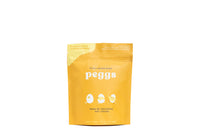
Made by chickpeas, not chicks
This recipe was made with Peggs
$36.00 — Peggs Plant-Based Egg | Vegan, Gluten-Free, Soy-Free
There are a lot of reasons people are moving away from conventional eggs, and honestly, it's not just one type of person making the switch. The motivations are surprisingly diverse, and they're all valid.
Plant-based and vegan diets represent the single largest driver of egg substitute demand. As more people adopt fully plant-based lifestyles, or even just start eating more plant-forward meals a few days a week, the need for reliable egg alternatives grows right along with them. GFI's plant-based retail market data consistently shows that this category is expanding well beyond a niche audience.
Egg allergies are another major reason. Eggs rank among the most common food allergens, especially in children, meaning egg-free cooking isn't a preference for many families. It's a necessity. Having a safe, reliable substitute on hand makes a real difference in day-to-day meal planning.
Price volatility has also pushed a lot of new people into exploring alternatives. Avian influenza outbreaks have repeatedly disrupted egg supply chains, causing retail prices to spike in ways that caught even non-vegan households off guard. When eggs become scarce or expensive, shelf-stable substitutes start looking a lot more practical.
Health motivations play a big role too. Many health-conscious consumers are actively working to reduce dietary cholesterol or cut back on saturated fat. Plant-based egg substitutes contain zero cholesterol, which makes them an appealing swap for people managing their numbers through diet.
Sustainability matters to a growing segment of shoppers. Conventional egg production requires significant land and water resources, and plant-based alternatives generally carry a lighter environmental footprint.
Finally, there's the simple matter of convenience. Shelf-stable egg substitutes don't need refrigeration, which means less food waste, easier pantry stocking, and a reliable option whether you're cooking at home, camping, living in an RV, or stocking an emergency pantry.
What Eggs Actually Do in a Recipe (And Why That Matters)
Before you can choose the right vegan egg substitute, it helps to understand what eggs are actually doing in your recipes. And the answer might surprise you: eggs aren't just one thing. They're a multitasking ingredient that can bind, lift, hydrate, and emulsify all at once, sometimes within the same dish.
Here's a quick breakdown of the five main jobs eggs perform:
Binding. When eggs are exposed to heat, their proteins coagulate, meaning they firm up and bond together. This is what holds a veggie burger patty together, keeps meatballs from falling apart, and gives baked goods their structure. Egg white proteins start this process at around 60°C (140°F), with yolk proteins kicking in at about 65°C. Too little binding and things crumble; too much and you end up with something rubbery.
Leavening and lift. When you beat eggs, the proteins capture tiny air bubbles. Those bubbles expand in the oven, giving cakes, muffins, and soufflés their rise. This foaming function is one of the trickier things to replicate with plant-based ingredients, as BBC Science Focus explains in their breakdown of egg functionality.
Moisture. Egg whites are roughly 90% water. That liquid hydrates flour, dissolves sugar, and keeps baked goods from turning dry and crumbly. The fat in yolks adds an extra layer of tenderness, which is why custards and pound cakes feel so rich.
Emulsification. Yolks contain lecithin, a compound that bridges fat and water so they don't separate. This is what makes sauces smooth and batters cohesive.
Structure in cooked dishes. In scrambles, omelets, and quiches, eggs set into a solid form through protein denaturation under heat. This is a distinct function from baking, and it's widely considered one of the hardest things to replicate with plants alone.
That last point matters a lot. A peer-reviewed 2022 study published in Foods found that recreating the complete functionality of eggs using plant-based ingredients is "very challenging," precisely because a single egg performs so many of these roles simultaneously. As one food science writer puts it, "no single substitute does everything an egg does."
That's not a reason to give up; it's a reason to choose your substitute based on what the recipe actually needs. The good news is that once you know which job the egg is doing, finding the right plant-based swap becomes a whole lot easier.
The Best Vegan Egg Substitutes, Organized by Use Case
Here's the thing about most vegan egg substitute lists: they throw everything at you at once without telling you when to use what. Flaxseed, aquafaba, silken tofu, banana, baking soda... it's a lot, and it can feel overwhelming if you're just trying to bake a batch of muffins.
That's why this guide is organized differently. Instead of one long, random list, the substitutes here are grouped by what they actually do best. Because the secret to great plant-based cooking isn't finding one magical ingredient that replaces eggs in every situation. It's understanding that eggs play different roles in different recipes, and then matching your substitute to that specific job.
As this breakdown of vegan egg substitutes in baking explains, choosing the right swap comes down to function first. A binder won't give you lift. A leavening combo won't help with creaminess. And neither one will scramble in a pan.
In the sections ahead, you'll find substitutes organized into five practical categories: binding, leavening and lift, moisture and density, emulsification, and full-egg cooking (think scrambles, omelets, and quiches). Find your recipe type, pick your substitute, and get cooking with confidence.
Best Egg Substitutes for Binding
When it comes to binding, your goal is simple: keep your baked goods from crumbling apart. These substitutes are your best friends for that job.
1. Flax Egg Mix 1 tablespoon of ground flaxseed with 3 tablespoons of water and let it rest for about 5 minutes. During that time, the mixture transforms into a thick, sticky gel that works surprisingly well as a binder in dense baked goods. It holds brownies together, keeps cookies from falling apart, and works beautifully in banana bread. The one thing to keep in mind is the flavor: flax adds a mild, nutty undertone that blends into most recipes without being distracting. It's also worth noting that flax eggs work best when you're replacing just one or two eggs. Replacing three or more can leave your bake feeling underdone in the center.
2. Chia Egg The ratio is identical to a flax egg: 1 tablespoon of chia seeds to 3 tablespoons of water, rested until gel forms. Chia actually thickens slightly more than flax, making it a strong binder for heartier recipes like oatmeal cookies, energy bars, and dense muffins. The flavor is more neutral than flax, so it tends to disappear into the background of your recipe. If you find flax's nuttiness too noticeable, chia is a great swap.
3. Chickpea Flour + Water This one is a standout for savory applications. Chickpea flour mixed with water creates a batter-like consistency that binds ingredients firmly together. It's ideal for veggie burgers, fritters, and savory baked goods where you need real structural integrity. If you want to explore chickpea-based egg alternatives further, this guide to DIY vegan egg substitutes covers the functional science behind why chickpea flour performs so reliably.
4. Mashed Banana or Unsweetened Applesauce Use about 1/4 cup per egg. Both options add moisture and binding at the same time, which is genuinely convenient. The trade-off is flavor: bananas bring a distinctive sweetness, and applesauce adds a fruity note. These substitutes shine in recipes that are already leaning sweet or fruity, like banana bread, spiced muffins, or carrot cake. Use ripe, spotty bananas for the best texture and flavor contribution.
5. Silken Tofu Blend 1/4 cup of silken tofu until completely smooth before adding it to your recipe. It's a dense, moisture-rich binder that integrates almost invisibly into heavier baked goods. Cheesecakes, brownies, and dense chocolate cakes are where silken tofu really earns its spot. It has virtually no flavor of its own, so it won't compete with the other ingredients. For more options across different recipe types, this comprehensive vegan egg substitute resource is worth bookmarking.
Best Egg Substitutes for Leavening and Lift
When your goal is height and airiness, you need substitutes that create lift rather than just hold things together. Here are the best options for getting that rise.
1. Baking Soda and Vinegar
This is probably the most pantry-friendly leavening swap out there. Combine 1 teaspoon of baking soda with 1 tablespoon of apple cider vinegar or white vinegar to replace one egg. The acid and base react instantly to produce carbon dioxide bubbles, which push your batter upward as it bakes. This works beautifully in light cakes, cupcakes, and quick breads. One important tip: once you mix these two together, get your batter into the oven quickly. The CO₂ starts escaping right away, and if you let it sit too long, you'll lose the lift before it even gets a chance to work. You might notice a faint vinegar smell while baking, but it bakes off completely in the finished product.
2. Aquafaba
Aquafaba is the liquid from a can of chickpeas, and it might be the most surprisingly capable ingredient in vegan baking. Use 3 tablespoons per egg. What makes it genuinely special is that you can whip aquafaba into stiff peaks just like egg whites, making it the go-to choice for meringues, macarons, and airy layer cakes. For best results, use a cold bowl and beat on high speed. Adding a small pinch of cream of tartar helps stabilize the foam so it holds its shape longer.
3. Commercial Powdered Egg Substitutes
If DIY mixing feels like a lot, commercial powdered egg substitutes are formulated to take the guesswork out of baking. Many of these products combine starches, plant proteins, and leavening agents in ratios specifically designed to replicate egg lift. According to research published in Foods, scientists are actively working on "making mixtures of plant-based ingredients to fit specific food formulations," and many commercial products reflect exactly that approach. Products like Eat Peggs, made from chickpea protein, are a great example of this convenience-focused category.
When NOT to Use These Substitutes
This is where a lot of beginners go wrong. Leavening substitutes are excellent at creating bubbles and airiness, but they cannot replicate what happens when egg proteins coagulate and firm up under heat. Recipes like quiche, frittata, custard, and savory egg bakes rely on that protein-setting behavior to create a sliceable, cohesive structure. If you swap in baking soda and vinegar for a quiche, the result will be soft and loose rather than firm and set. For those recipes, protein-rich substitutes like silken tofu or chickpea-based egg alternatives are the smarter choice.
Best Egg Substitutes for Scrambles, Omelets, and Cooked Dishes
Let's be honest: this is the hardest category on the entire list. Baking substitutes just need to bind or add moisture. But cooked egg applications, think scrambles, folded omelets, and egg patties, require something that actually sets under heat, develops a firm-yet-tender texture, and holds together when you push it around the pan. That's a tall order for plant-based ingredients, and it's why getting this category right takes a little more intention.
Here are the most effective options for cooked egg dishes:
1. Chickpea Flour Batter
This is the go-to DIY option for a reason. Chickpea flour (also sold as besan or gram flour) is naturally high in protein and creates a batter that sets beautifully when cooked over medium heat. The basic formula is simple: combine roughly equal parts chickpea flour and water, then season with turmeric for that golden color and black salt (kala namak) for a sulfurous, genuinely egg-like aroma. Nutritional yeast is a great addition too, layering in some savory depth. One key tip: don't rush it over high heat. Medium-low heat with a generous amount of plant-based butter gives the batter time to set properly without sticking or falling apart. And if you want that eggy smell to really come through, sprinkle a little extra kala namak on after cooking, since some of the sulfurous aroma can cook off in the pan.
2. Firm or Extra-Firm Tofu
Crumbled tofu is a classic for a reason. It delivers a satisfying, chunky texture that holds up well in a scramble. Press out as much moisture as you can before cooking, then crumble it directly into a hot pan. Add turmeric for color and kala namak for flavor, and you've got a solid, protein-rich scramble base. Combining firm tofu (for body) with a bit of softer tofu creates a more nuanced texture that feels closer to the real thing.
3. Powdered Plant-Based Egg Products
If you want consistent results without measuring, mixing, and experimenting, a purpose-formulated powdered egg substitute is worth knowing about. These products are specifically engineered to behave like eggs under heat, which takes the trial-and-error completely out of the equation. Eat Peggs is a great example of this category: a shelf-stable, chickpea-based powdered egg substitute that mixes up quickly and works across scrambles, omelets, and other cooked applications. Because it lives in your pantry rather than the fridge, it's especially useful for meal prep, travel, camping, or just those mornings when you've run out of fresh eggs and still want a proper breakfast.
Egg Substitutes for Emulsification and Moisture
Emulsification is one of eggs' most underappreciated jobs. When a recipe calls for egg yolk specifically, it's often because the yolk contains natural lecithin, a phospholipid that acts as a bridge between fat and water molecules. Without that bridge, your sauce breaks, your dressing separates, and your baked goods lose that silky, cohesive texture. Here are the best plant-based options for replicating that function.
1. Lecithin (Soy or Sunflower) Lecithin is the most technically precise swap for egg yolk's emulsifying role. It works the same way: bonding fat and water into a stable, smooth mixture. You can find it in granule or liquid form at most health food stores. A good starting point is about half a teaspoon of soy lecithin granules per egg yolk. If you have a soy allergy or sensitivity, sunflower lecithin is an excellent alternative that performs similarly without the soy. Just note that soy lecithin can leave a faint beany flavor in very delicate recipes, so sunflower is often the better pick for light sauces or pastries.
2. Aquafaba Beyond its leavening power, aquafaba is a surprisingly effective emulsifier. Use about 1 tablespoon to replace a single egg yolk in sauces and dressings. It's the secret behind many homemade vegan mayonnaise recipes, where it helps oil and acid combine into a creamy, stable emulsion.
3. Silken Tofu or Cashew Cream Blended silken tofu adds the richness and body that egg yolks bring to custards, quiches, and creamy pasta sauces. Cashew cream, made by soaking raw cashews for a few hours and blending them smooth with water, works similarly with a slightly sweeter, more neutral flavor.
4. Plant-Based Yogurt or Vegan Buttermilk For recipes where moisture and tenderness are the goal, such as pancakes, waffles, or quick breads, plant-based yogurt is a reliable one-to-one swap for conventional egg in many recipes. Vegan buttermilk is even simpler: combine 1 cup of non-dairy milk with 1 tablespoon of white vinegar or lemon juice, let it sit for a few minutes until it curdles slightly, and you've got a tenderizing liquid that keeps baked goods soft and moist.
Powdered vs. Refrigerated Egg Substitutes: What's the Difference?
If you've spent any time shopping for vegan egg substitutes, you've probably noticed that products fall into two pretty distinct camps: the ones that live in the refrigerated section and the ones that sit happily on a pantry shelf. These aren't just different packaging choices. They represent genuinely different products with different use cases, trade-offs, and benefits. Yet surprisingly, very few resources actually explain the practical differences to everyday home cooks. Let's break it down.
The Two Formats, Explained Simply
Liquid or refrigerated egg substitutes are ready-to-pour products that require cold storage and behave similarly to cracking a conventional egg into a bowl. They typically have a shorter shelf life once opened, and they need to be used within a week or two. The appeal is real: the liquid format feels familiar, especially if you're just starting to transition away from conventional eggs. There's no mixing step, no measuring powder, just pour and cook.
Dry or powdered egg substitutes work differently. You mix the powder with water before using it, which adds a small but simple prep step. In exchange, you get a product that doesn't need refrigeration, generates far less food waste, and can stay in your pantry for months or even years. It's a trade-off that, apparently, a lot of people are willing to make: dry and powder formats currently hold roughly 58% of the egg substitute market, reflecting strong consumer and manufacturer preference for convenience and storage flexibility.
Why Powdered Formats Win on Practicality
The advantages of powdered egg substitutes add up fast, especially for certain lifestyles. Because they're shelf-stable, you never have to worry about an opened carton going bad before you've used it up. You measure only what you need per recipe, which means less waste and more precise portion control. For anyone who bakes occasionally rather than every single day, this is a big deal.
Beyond the kitchen, powdered formats genuinely shine in situations where refrigeration isn't an option. Camping trips, RV travel, road trips, and emergency pantry planning all become easier when your egg substitute weighs next to nothing and doesn't need a cooler. It's a practical choice for meal preppers too, since a single container can last through weeks of breakfasts without any spoilage risk.
Where Eat Peggs Fits In
Eat Peggs is a powdered egg substitute made primarily from chickpeas, and it sits firmly in that shelf-stable, mix-with-water category. What sets it apart is its versatility: it works for cooking applications like scrambled eggs and omelets, and it also performs as a baking substitute. That dual functionality means one product covers a wide range of recipes without needing separate solutions. For households managing food budgets, storage space, or simply trying to reduce waste, a shelf-stable powdered format is often the more practical long-term choice compared to cycling through refrigerated cartons week after week.
Why Chickpeas Make a Surprisingly Effective Egg Substitute
Legume-derived ingredients hold 48.3% of the egg replacement source category in 2026, according to market research from Fact.MR. That's a commanding share, yet most articles about egg substitutes never stop to explain why chickpeas work so well in the first place. Let's fix that.
It Starts With Protein
Chickpea flour contains roughly 20 to 22% protein by weight, which is genuinely impressive for a plant-based ingredient. That protein is doing a lot of the heavy lifting when you use chickpea-based products in cooking or baking. Egg proteins are what coagulate, bind, and set a dish as it heats, and chickpea proteins behave in a surprisingly similar way. When you mix chickpea flour with water and apply heat, those proteins denature and firm up, giving your scramble texture or helping your baked goods hold their shape instead of crumbling apart.
Starches That Gel and Set
Alongside the protein, chickpea starches add another layer of functionality. When heated with liquid, these starches gelatinize, creating a thick, cohesive structure that closely mimics what happens when an egg cooks. This is why chickpea-based substitutes tend to outperform pure starch options like tapioca or potato starch in cooked applications. Tapioca can add binding in a pinch, but it doesn't bring the same combined protein-and-starch behavior that chickpeas deliver.
The Aquafaba Proof
If you need proof that chickpea compounds are genuinely functional as emulsifiers and foaming agents, look no further than aquafaba, the liquid left over from cooked chickpeas. That humble bean liquid can be whipped into meringue, folded into batter for lift, or blended into dressings as an emulsifier. It's essentially a concentrated demonstration of how capable chickpea proteins really are.
Clean Label and Nutritionally Rounded
Chickpea flour is a single whole-food ingredient, which matters more and more to today's label-conscious shoppers. Beyond function, chickpeas bring plant protein, dietary fiber, and iron to the table, making chickpea-based egg substitutes a more nutritionally complete option than alternatives built purely on starches. You get the functional properties and a genuinely useful nutritional contribution in the same ingredient.
Vegan Egg Substitutes vs. Conventional Eggs: A Nutrition Comparison
Before diving into the numbers, a quick but important note: this is a factual data comparison, not a health claim. Plant-based egg substitutes vary enormously by brand and formulation, so the figures below reflect general category averages and research findings rather than any single product. Always check the specific nutrition label on whatever you're buying, because two products that both call themselves "vegan egg substitutes" can have very different nutritional profiles.
The Conventional Egg Baseline
One large conventional egg contains approximately 70 calories, 6g of protein, 5g of fat, 0g of fiber, and 186mg of dietary cholesterol. Conventional eggs also deliver a solid micronutrient profile, including B vitamins, vitamin D, and choline, though those specifics are a bit beyond the scope of this comparison.
Cholesterol: The One Consistent Difference
Here's the one nutritional fact that holds true across every single plant-based egg substitute, regardless of brand or base ingredient: 0mg of dietary cholesterol. That's not a marketing claim; it's basic biology. Cholesterol is only found in animal-derived foods, so any fully plant-based product will always clock in at zero. This is the most consistent categorical difference between conventional eggs and plant-based alternatives.
Protein: It Depends on What the Substitute Is Made From
Protein is where things get more nuanced. Conventional eggs provide 6g of complete protein per serving, meaning they contain all nine essential amino acids. Plant-based substitutes tell a more varied story. Legume-based options, particularly those made from mung beans, peas, or chickpeas, can provide roughly 3 to 6g of protein per serving, with some formulations coming close to conventional egg levels. Starch-based or gum-based substitutes, however, may offer little to no meaningful protein. So if protein content matters to you, the base ingredient makes a big difference.
Fiber: A Bonus You Won't Find in Conventional Eggs
One area where certain plant-based substitutes pull ahead is fiber. Conventional eggs contain 0g of dietary fiber. Legume- or seed-based egg substitutes can contribute 1 to 3g of fiber per serving, simply because plants contain fiber and eggs do not. That said, starch-heavy or oil-forward formulations may not provide meaningful fiber either, which circles back to the same advice: read the label.
A Few Important Caveats
Sodium content varies widely across commercial egg substitute products, while a conventional egg contains a consistent 70mg per serving. Some substitutes are also lower in key micronutrients like B12, vitamin D, and choline, nutrients that conventional eggs naturally supply. Certain products are fortified to help close that gap, but not all of them are. The bottom line: no single plant-based egg substitute perfectly mirrors the full nutritional package of a conventional egg, and no one is claiming otherwise. What you're getting with plant-based options is a different nutritional profile with some distinct tradeoffs, not a nutritionally identical swap.
How to Choose the Right Vegan Egg Substitute for Your Recipe
Now that you've worked through all the options in this guide, here's a practical framework for making the call quickly every time you cook.
Step 1: Start with the egg's job. Before you reach for any substitute, ask yourself what the egg was actually doing in the recipe. Binding? Leavening? Adding moisture? Acting as the main cooked ingredient? The answer narrows your choices immediately. A flax egg works beautifully as a binder in cookies but won't give you the fluffy lift you need in a layer cake. Getting this first step right saves you a lot of failed batches.
Step 2: Think about flavor before you swap. DIY pantry options carry real flavor consequences. Mashed banana brings a noticeable banana taste, which is lovely in muffins but awkward in savory dishes. Applesauce adds mild sweetness. Ground flaxseed has a nutty, slightly bran-like quality that can show up in delicate recipes. If you need a clean, neutral result, a commercially formulated powdered substitute is typically the safer bet, since those products are specifically designed not to compete with the other flavors in your dish.
Step 3: Consider your storage situation honestly. If you bake once or twice a month, keep a stocked pantry for emergencies, or travel frequently, a shelf-stable powdered egg substitute is genuinely more practical than a refrigerated liquid product. Refrigerated options have shorter windows once opened and require planning ahead. A shelf-stable powder sits in your cabinet until you need it, with no waste and no spoilage stress.
Step 4: Scale your expectations with the recipe size. Most DIY substitutes work well when replacing one or two eggs. Push past three eggs and the results become unpredictable. Texture can turn gummy, dense, or structurally unstable. Commercially formulated products are engineered to perform consistently at higher volumes, making them the smarter choice for larger batches or multi-egg recipes.
Step 5: Check allergen labels carefully. Some substitutes, including silken tofu, contain soy. Certain commercial blends include gluten-based ingredients. If you or someone you're cooking for has multiple food sensitivities, look for products with clear, verified allergen-free labeling rather than assuming.
Quick Decision Table
Recipe Type |
Top Substitute Picks |
|---|---|
Cookies |
Flax egg; applesauce |
Cake |
Aquafaba; baking soda plus vinegar |
Scramble or omelet |
Chickpea-based powdered egg substitute |
Pancakes |
Flax egg; baking soda plus vinegar |
Meatballs |
Flax egg; chia egg |
Frequently Asked Questions About Vegan Egg Substitutes
Can I use a vegan egg substitute in any recipe that calls for eggs?
Most recipes can be adapted, yes. The key is understanding what the egg is doing in that specific dish. Cooked savory dishes and dense baked goods like cookies, brownies, and quick breads are the most forgiving. Delicate preparations like soufflés, meringues, and angel food cake are trickier, but even those can work with the right substitute. Aquafaba, for example, is genuinely well-suited for light, airy applications. The takeaway: don't assume a recipe is off-limits. Start with the egg's function, then choose accordingly.
What is the best vegan egg substitute for baking?
It depends entirely on what the egg is supposed to do. For binding in dense baked goods like cookies and brownies, flax eggs and chia eggs are reliable go-to options. For lift and lightness in cakes and muffins, aquafaba or a baking soda and vinegar combination will give you better results. There is no single universal answer, which is why understanding the egg's role (covered earlier in this guide) is so useful. Once you know the job, picking the right substitute becomes much more intuitive.
What is the best vegan egg substitute for scrambled eggs?
For hot, cooked applications like scrambles and omelets, chickpea-based powdered substitutes, crumbled firm tofu seasoned with spices, and chickpea flour batter are consistently the top performers. One tip worth knowing: adding a small amount of kala namak (black salt) to any of these options introduces a subtle sulfurous, eggy flavor that makes the result far more convincing. Chickpea-based powdered products like Eat Peggs are particularly convenient here because they mix quickly, require no pressing or prep, and work straight from the pantry.
Are vegan egg substitutes healthier than real eggs?
This genuinely varies by product, so be cautious about blanket claims in either direction. What is consistently true is that plant-based substitutes contain zero dietary cholesterol, and legume-based options contribute fiber, something conventional eggs provide none of. However, protein content and sodium levels differ significantly across products. Some commercial substitutes are higher in sodium than a whole egg. The best approach is always to compare nutrition labels directly rather than assuming one option is automatically better.
How long do powdered egg substitutes last compared to refrigerated ones?
Shelf-stable powdered egg substitutes typically last one to two years or longer when stored in a cool, dry place. Refrigerated liquid egg substitutes, by contrast, generally need to be used within a few weeks of opening. That shelf-life gap is one of the most practical advantages of a powdered format, especially for meal preppers, campers, travelers, and anyone who wants a reliable backup ingredient in the pantry without worrying about expiration dates.
Can I use vegan egg substitutes if I have a soy allergy?
Absolutely. Many of the most popular options are naturally soy-free, including chickpea-based products, flax eggs, chia eggs, and aquafaba. If you are choosing a commercial product, always read the label carefully, not just the ingredient list but also the allergen statement, since some products are manufactured in facilities that also process soy.
Are vegan egg substitutes good for people with egg allergies?
Yes, and egg allergies are actually one of the primary reasons people seek out egg substitutes in the first place. All plant-based egg substitutes are, by definition, egg-free. If you or someone you cook for has a severe egg allergy, the extra step is to verify that the product was produced in an allergen-safe facility, since cross-contamination during manufacturing is a real consideration for highly sensitive individuals.
What makes powdered egg substitutes different from baking-only egg replacers?
Baking-only egg replacers are typically starch-based blends engineered specifically for binding and leavening in baked goods. They do that job well, but they are not designed for scrambling, omelets, or savory cooked dishes. Powdered egg substitutes like Eat Peggs are formulated to function across both cooking and baking contexts, making them a genuinely versatile pantry staple rather than a single-purpose baking aid.
The Takeaway: Finding Your Go-To Vegan Egg Substitute
There's no single "best" vegan egg substitute for every recipe, and honestly, that's a good thing. It means you have real options depending on what you're making and what matters most to you.
When you're deciding, come back to the five key criteria covered in this guide: what job the egg is doing in your recipe, how much flavor influence you can tolerate, your storage situation, any allergen considerations, and how much time and effort you actually want to put in. Running through those five factors quickly will point you in the right direction almost every time.
Commercial options have come a long way, and powdered formats in particular have expanded well beyond the baking-only limitations people once associated with egg alternatives. Today, a well-formulated powder can handle scrambles, omelets, quiches, and baked goods without needing to swap products between applications. If you want one versatile option to keep on hand, Eat Peggs is a shelf-stable, chickpea-based powder worth adding to your pantry for exactly that kind of everyday flexibility.
The best approach is simply to start experimenting. Try a flax egg in your next batch of muffins. Whip up aquafaba for something that needs lift. Or mix up a chickpea-based scramble on a slow weekend morning. Every experiment teaches you something useful.
Conclusion
Vegan baking doesn't have to be complicated, and now you have the tools to prove it. Here are the key takeaways to keep in mind: different substitutes serve different purposes, so matching the right one to your recipe matters. Pantry staples like flaxseed, applesauce, and aquafaba can replace eggs beautifully without sacrificing texture or flavor. Measurement and consistency are everything, so stick to the recommended ratios as you experiment.
Now it's time to put this knowledge to work. Pull out a favorite recipe, pick a substitute that fits, and start baking. Your first attempt might surprise you. Don't be afraid to experiment, take notes, and tweak as you go. Every great plant-based baker started exactly where you are right now. The kitchen is yours, the options are endless, and delicious egg-free results are closer than you think.
Free download
Get the Egg-Free Baking Cheat Sheet
The one ratio to remember, quick conversions, and where to add Peggs — straight to your inbox.
You're in! Grab your cheat sheet below.
Download the cheat sheet