
How Much Protein Is in an Egg? The Full Nutritional Breakdown
UpdatedIf you've ever cracked open an egg and wondered whether it's actually doing anything for your fitness goals — or whether a chickpea-based alternative like Eat Peggs holds up on protein — you're asking a fair question. Eggs are one of the most talked-about foods in nutrition, but there's still a lot of confusion about what's actually inside them and how plant-based swaps compare.
So, how much protein is in an egg? The short answer is roughly 6 grams, but the full picture — including how a chickpea-based alternative stacks up — is a lot more interesting than that. The protein content can change depending on egg size, cooking method, and even which part you eat.
In this post, we're going to break it all down in plain language: exactly how much protein eggs provide, why protein quality matters as much as quantity, and how eggs compare to plant-based options like Eat Peggs so you can decide what actually fits your goals — whether that's cholesterol management, an egg allergy, or just curiosity.
Egg Protein by the Numbers
Let's cut through the confusion and look at what the data actually says.
According to USDA FoodData Central, one large egg weighs approximately 50 grams and delivers 6 grams of protein. That's the number you'll see on a standard nutrition label, and it's a solid, reliable benchmark to keep in mind. If you've ever spotted a slightly different figure, like 6.3 grams, that's simply the raw analytical data before label rounding kicks in. Both numbers are technically correct; they just come from different reporting conventions.
You'll also see 13 grams of protein per 100g referenced frequently, especially in scientific literature and nutritional comparisons. This isn't a different egg or a different measurement; it's the same egg expressed on a per-100g basis, which is the standard format researchers use to compare foods equally. So when you see "6g" on a carton and "13g per 100g" in a study, neither source is wrong. They're just speaking different languages.
Scaling up to two eggs, you're looking at roughly 12 to 12.6 grams of protein, which makes a two-egg breakfast a genuinely competitive high-protein meal to start the day.
Now here's a detail that surprises a lot of people. The egg white and yolk both contain protein. The white contributes about 3.6 grams, while the yolk chips in approximately 2.7 grams. That means if you're tossing the yolk, you're discarding nearly 43% of the egg's total protein, not to mention the fat-soluble vitamins that come with it. According to a peer-reviewed review published in Nutrients, eggs have long served as a nutritional benchmark food in scientific research, and that reputation is built on the whole egg, not just the white.
The bottom line: one egg, roughly 6 grams of protein. Everything else you encounter is just a variation in how that same figure gets reported.
Why Egg Protein Quality Matters: Bioavailability and Amino Acids
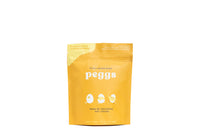
Made by chickpeas, not chicks
This recipe was made with Peggs
$36.00 — Peggs Plant-Based Egg | Vegan, Gluten-Free, Soy-Free
Now that you know how much protein an egg contains, it's worth understanding why that protein is so effective. Not all protein is created equal, and this is where eggs genuinely stand out from the crowd.
It's Not Just Quantity, It's Quality
Here's a concept that surprises a lot of people: the number of protein grams listed on a nutrition label doesn't tell the whole story. What matters just as much is how much of that protein your body can actually absorb and use. That's what bioavailability means in plain English. Think of it this way: if a food contains 10 grams of protein but your body can only put 5 of those grams to work, you're effectively getting half the benefit.
Eggs consistently score at or near the top on bioavailability. A cooked egg delivers roughly 90 to 97 percent of its protein in a form your body can fully utilize. That's exceptionally high compared to most whole food sources.
All 9 Essential Amino Acids in One Place
Eggs are also what nutritionists call a complete protein, meaning they contain all nine essential amino acids your body cannot produce on its own. Those nine are: leucine, isoleucine, valine, lysine, methionine, phenylalanine, threonine, tryptophan, and histidine. Each one plays a role in everything from muscle repair to immune function to mood regulation. Getting all nine from a single food source is genuinely convenient, and eggs deliver them in proportions that closely match what the human body actually needs.
The Gold Standard, Literally
For decades, nutritional scientists used eggs as the reference point for measuring protein quality in other foods. When researchers compared other sources against this benchmark, eggs outscored rice (which ranked around 37%) and wheat (around 45%) by a wide margin. That historical role as the measuring stick speaks volumes about how the scientific community views egg protein.
What DIAAS Actually Means
Today, the most precise tool researchers use to measure protein quality is called the Digestible Indispensable Amino Acid Score, or DIAAS. Without getting overly technical, DIAAS measures how well each individual essential amino acid is absorbed specifically in the small intestine, which is where nutrient uptake actually happens. A score above 1.0 means a food supplies more than enough of every essential amino acid relative to human needs. Eggs score approximately 1.13 to 1.18, which puts them firmly in the "excellent" category.
A 2024 study published in the Journal of Nutritional Science found that adding eggs to a carbohydrate-based breakfast like toast or hash browns meaningfully raised the overall protein quality of the entire meal. And a 2025 review in The Journal of Nutrition highlighted that DIAAS is increasingly the preferred standard as nutrition science moves beyond older, less precise metrics.
The bottom line: eggs deliver protein your body can actually use, in a complete and highly digestible form, which is exactly why they've been a nutritional benchmark for so long.
The Cholesterol Consideration: What Health-Conscious Eaters Should Know
Here's something worth knowing before you make any decisions about eggs in your diet: one large egg contains approximately 200mg of dietary cholesterol, found almost entirely in the yolk. For context, dietary guidelines historically cited 300mg per day as the recommended upper limit, meaning a single egg accounts for a substantial portion of that figure on its own.
That said, the science here is genuinely nuanced. Research has evolved considerably over the past decade, and most current epidemiological studies suggest no significant association between eating one egg per day and increased cardiovascular risk in healthy individuals, according to peer-reviewed literature published in Foods journal via NIH/PubMed Central. The American Heart Association has updated its thinking on dietary cholesterol as well, shifting away from a strict numerical cap toward a broader whole-diet approach. In fact, the 2026 AHA Scientific Statement on dietary guidance reflects the continued refinement of these recommendations, emphasizing overall dietary patterns over single-nutrient focus.
None of this is medical advice, and what's right for you is a conversation to have with your doctor, especially if you're managing a condition like cardiovascular disease or have been given specific guidance around cholesterol intake.
For readers simply exploring lower-cholesterol protein options as part of a balanced approach, it's worth knowing that plant-based egg alternatives, including chickpea-based options like Eat Peggs, contain 0mg of cholesterol per serving, while still delivering meaningful plant protein.
How Eggs Compare to Plant-Based Protein Sources
So far in this article, we've looked closely at egg protein on its own. But how does it actually stack up when you put it next to plant-based options? Let's take a clear, honest look at the numbers side by side.
Protein Comparison at a Glance
Source |
Protein per Serving |
Protein per 100g |
Bioavailability |
Complete Protein |
Cholesterol |
|---|---|---|---|---|---|
Whole Egg (1 large, ~50g) |
~6–7g |
~13g |
~91–97% |
Yes |
~186mg |
Cooked Chickpeas (½ cup) |
~7–8g |
~9g cooked / ~19g raw |
~68% |
No |
0mg |
Eat Peggs (1 prepared serving) |
Comparable to whole egg |
Chickpea-based |
Chickpea-based |
No |
0mg |
What jumps out immediately is that chickpeas are actually a surprisingly competitive protein source by volume. A half-cup serving of cooked chickpeas delivers roughly 7 to 8 grams of protein, which is right in line with a single egg. That said, research on protein bioavailability makes an important distinction: not all protein gets fully absorbed by the body. Chickpeas come in at around 68% bioavailability, yielding approximately 12.9 grams of effective protein per 100 grams of raw chickpeas. Eggs, on the other hand, are essentially fully absorbed.
The Incomplete Protein Question
Chickpeas are low in two sulfur-containing amino acids, methionine and cysteine, which technically makes them an incomplete protein on their own. It is worth acknowledging that factually, but it is also worth putting it in proper context. Most people eating a reasonably varied diet will easily fill that amino acid gap through other foods throughout the day, whether that is grains, nuts, or vegetables. Pairing chickpeas with something like rice or whole wheat bread naturally rounds out the amino acid profile. This is not a dealbreaker; it is just good to know.
Where Eat Peggs Fits In
This is where things get practical. Eat Peggs is a powdered, shelf-stable egg alternative made from chickpeas — mix 1/4 cup Peggs with 1/4 cup water to replace two eggs in almost any recipe. It delivers protein per prepared serving that's comparable to a whole egg, with 0mg of cholesterol, and it's gluten-free, soy-free, nut-free, and dairy-free, which makes it a real option — not just a preference — for anyone who can't eat eggs due to allergy.
Beyond protein, the format brings advantages raw numbers don't capture. No refrigeration needed means you can store it in a pantry, a camping bag, or an emergency kit without a second thought, and it keeps for a year or more instead of the few weeks you get from fresh eggs. At the 96-egg-equivalent size it runs about $0.78 per egg equivalent — more than the $0.30–0.50 you'd pay for a conventional egg, though egg prices have been climbing and the gap narrows once you factor in zero spoilage and zero refrigeration. Check your pouch's Nutrition Facts panel for the exact protein count for your serving size — we'd rather point you to the real label than estimate it here.
Does Turning Chickpeas Into Powder Change the Protein Content?
Here's something that surprises a lot of people: the process of turning whole chickpeas into powder actually increases protein density per gram. When chickpeas are dried and milled, moisture is removed. Cooked chickpeas are roughly 60% water by weight, which means a good portion of what you're eating is just water. Strip that out, and suddenly you have a much more concentrated source of protein in a smaller amount of powder.
This is why a tablespoon of chickpea powder can deliver meaningfully more protein by weight than the same tablespoon of cooked chickpeas. It's not magic; it's just math. The protein itself hasn't changed at all, but the concentration per gram goes up significantly once water and some carbohydrates are removed during processing.
That's exactly the principle behind how Eat Peggs is formulated. It's a chickpea-based powder designed so that one prepared serving delivers protein comparable to a whole egg, making it a practical option for anyone looking to reduce their reliance on conventional eggs without sacrificing nutrition.
That said, it's worth being transparent about one nuance. Amino acid completeness in powdered plant-based egg formulas can vary depending on the specific formulation. Chickpeas on their own are lower in methionine, an essential amino acid. Some products address this by blending complementary plant proteins, so it's always worth checking the label. Research published by the University of Manitoba also notes that processing methods can affect how well chickpea protein is ultimately absorbed, which is useful context for anyone doing a deeper nutritional dive.
The bottom line: powdered formats are genuinely efficient on a per-gram protein basis, and transparency about formulation details is what separates trustworthy products from the rest.
Egg Protein in Baking: Why It Is More Than a Nutrition Number
When you think about protein in eggs, your mind probably goes straight to muscle building or post-workout nutrition. But if you bake at all, egg protein is doing something just as impressive right inside your oven.
Eggs are genuinely one of the hardest ingredients to replace in baking, and protein is a big reason why. According to the American Egg Board, when eggs are heated, their proteins denature (unfold) and then coagulate (bond into a new network), transforming your batter from a loose liquid into a firm, sliceable structure. That process is what gives cakes their crumb, quiches their set, and muffins their shape.
As food science educator Half Batch Baking explains on Instagram, egg proteins also trap air bubbles during baking, which supports lift and creates that light, airy texture most people expect. Remove eggs entirely, and the results speak for themselves: lower volume, crumbly texture, and a denser bite.
This is where plant-based substitutes can get tricky. Not every egg alternative replicates this functional protein behavior equally well. A substitute that works beautifully in a dense brownie might fall completely flat in a soufflé or choux pastry. Performance really does vary by recipe.
Powdered egg alternatives like Eat Peggs are specifically formulated with this baking versatility in mind, making them a practical option across scrambles, quiches, pancakes, and baked goods alike. If you want to explore this topic further, check out our guides on the best egg substitutes for baking and vegan baking basics for a deeper dive.
Frequently Asked Questions About Egg Protein
How much protein is in 2 eggs?
Two large eggs deliver approximately 12.6 grams of protein, based on roughly 6.3 grams per egg. What makes that number especially meaningful is how well your body actually uses it. Cooked eggs have a protein absorption rate of around 91%, which means almost all of that protein is put to work. For context, the average adult needs roughly 0.8 grams of protein per kilogram of body weight daily, so two eggs at breakfast can make a solid dent in that total.
Is egg white or whole egg higher in protein?
The white contributes more protein by volume, around 3.6 grams compared to 2.7 grams in the yolk. However, skipping the yolk means losing nearly half the total protein plus fat-soluble vitamins like vitamin D and choline. The whole egg consistently offers more complete nutrition, so unless you have a specific reason to avoid yolks, eating the entire egg is generally the better call.
Is egg protein good for building muscle?
Yes — eggs score a perfect 1.0 on the PDCAAS scale, which measures how well a protein source covers all essential amino acids your body cannot make on its own, and that completeness plus high bioavailability supports muscle protein synthesis after exercise. If you can't or don't eat eggs, pairing plant proteins like chickpeas across a varied diet (or checking a formulated alternative's amino acid profile on the label) can close most of that gap.
Can you get the same protein from plant-based eggs?
Well-formulated plant-based egg alternatives can deliver comparable protein per serving. The key is checking the label for amino acid completeness, since some plant proteins are lower in certain essential amino acids. Products built on chickpeas, like Eat Peggs, offer a solid protein foundation along with fiber and no cholesterol.
How does egg protein compare to chicken breast or Greek yogurt?
A three-ounce serving of cooked chicken breast provides around 26 grams of protein, while a standard serving of plain Greek yogurt offers roughly 15 to 17 grams. Eggs fall below both in total protein per serving, but they are faster to prepare, more versatile across meals, and typically more affordable per gram of protein.
Is egg protein safe for people watching their cholesterol?
This is genuinely a conversation to have with your healthcare provider, since individual cardiovascular risk factors vary widely. What is worth knowing is that one large egg contains about 186 milligrams of cholesterol, nearly all from the yolk. If your doctor has advised you to limit dietary cholesterol, plant-based egg alternatives like Eat Peggs offer a completely cholesterol-free option that still delivers protein and works in all the same recipes.
Key Takeaways: What You Actually Need to Know About Egg Protein
Here is what you need to walk away with after reading this far.
One large egg delivers roughly 6 grams of protein, or about 13 grams per 100g of egg. That protein comes with 100% bioavailability and a complete amino acid profile, meaning your body absorbs and uses virtually all of it. That combination is genuinely impressive and worth acknowledging.
At the same time, each egg carries around 200mg of dietary cholesterol. For most healthy people, that context matters more than the number alone. But if you have specific health guidance around cholesterol, it is a figure worth keeping in mind when planning your meals.
The good news is that options exist. Chickpea-based powdered egg alternatives can deliver comparable protein per serving with zero cholesterol, plus added fiber and the kind of convenience that fits real life, whether you are baking, camping, meal prepping, or just keeping your pantry stocked.
If you are rethinking eggs for any reason, whether health, allergies, sustainability, or simple curiosity, Eat Peggs is a shelf-stable, easy-to-use alternative genuinely worth exploring.
Conclusion
Here's what you now know: a single egg delivers around 6 grams of highly bioavailable protein, the white and yolk each contribute differently, and eggs carry roughly 200mg of cholesterol along with that protein — a trade-off that matters more to some people than others.
If cholesterol, an egg allergy, or moving toward plant-based eating are part of your decision, Eat Peggs delivers comparable protein per serving with zero cholesterol, no major allergens, and a pantry-stable format that never needs refrigeration — check your pouch's label for the exact numbers, and see our egg substitutes guide for how to use it across recipes. If none of that applies to you, eggs remain a solid, well-studied protein source too.
Either way, the goal here was to give you the real numbers — not tell you what to eat.
Free download
Get the Egg-Free Baking Cheat Sheet
The one ratio to remember, quick conversions, and where to add Peggs — straight to your inbox.
You're in! Grab your cheat sheet below.
Download the cheat sheet