
Vegan Corn Casserole Recipe (Creamy, Egg-Free, and Easy)
UpdatedIf you've ever sat at a holiday table watching everyone dig into a warm, creamy corn casserole while you quietly wondered if you could ever enjoy something just as comforting without the eggs and dairy, this post is for you. Good news: you absolutely can, and it's easier than you might think.
This vegan corn casserole recipe delivers everything you love about the classic dish. It's rich, slightly sweet, perfectly golden on top, and completely plant-based. No eggs, no butter, no compromise on flavor. Whether you're new to vegan cooking or just looking for a crowd-pleasing side dish to bring to your next gathering, this recipe has got you covered.
In this post, I'll walk you through every step of making this creamy corn casserole from scratch. You'll learn which simple ingredients to grab at the store, how to mix everything together in minutes, and exactly how to bake it to perfection. Even if you've never made a casserole before, I promise this one is totally beginner-friendly. Let's get started!
What Is Corn Casserole (And What Makes It So Good)?
Corn casserole is one of those dishes that sounds simple but delivers something truly special. At its core, it's a baked side dish built on two types of corn, whole kernel and creamed, combined with a binder and a cornbread-style base. The result is something wonderfully in-between: not quite bread, not quite custard, but soft, spoonable, and deeply comforting. The classic version typically calls for 2 eggs alongside butter and sour cream, which is exactly what gives it that signature creamy, custardy texture people go back for every holiday season.
If you've ever searched for this dish and ended up confused by all the different names, you're not alone. Corn casserole, corn pudding, spoonbread, cornbread casserole, and corn soufflé are all related, but they're not identical. Corn pudding tends to be smoother and more custard-like, leaning on milk, cream, and eggs for a looser consistency. Corn casserole is a bit firmer and more structured, thanks to the cornbread mix. Spoonbread sits closer to a savory pudding with a texture similar to Yorkshire pudding. A Facebook community post asking "what is corn pudding?" generated 42 comments, with multiple people insisting it was actually corn casserole. The naming overlap is real, and it trips up even experienced cooks.
This dish is also deeply tied to the holiday table. Corn casserole consistently ranks among the most searched side dishes during Q4, popping up on Thanksgiving menus, Christmas spreads, and potluck tables across the country. Its dump-and-bake format makes it genuinely easy to prepare ahead, which is a huge win when you're juggling multiple dishes at once.
The version you'll find here is fully egg-free and plant-based, and it's designed to deliver the same creamy, spoonable texture as the classic without compromise. Whether you're vegan, dealing with an egg allergy, cooking for a flexitarian crowd, or simply curious about vegan corn casserole options, this recipe is built with you in mind.
What Do Eggs Actually Do in Corn Casserole?
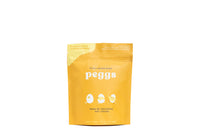
Made by chickpeas, not chicks
This recipe was made with Peggs
$36.00 — Peggs Plant-Based Egg | Vegan, Gluten-Free, Soy-Free
Before you can make a great egg-free corn casserole, it helps to understand exactly what eggs are doing in the dish in the first place. And it turns out, they're doing quite a lot.
Eggs actually serve three distinct functions in corn casserole, and each one shapes the final result in a meaningful way.
Binding: Eggs act as the structural glue that holds all those wet ingredients together. You've got creamed corn, whole kernel corn, melted butter, and sour cream all going into one dish. Without a binder, those ingredients don't cohesively come together during baking. As one home cook put it in a cooking community discussion, "the egg is the binder" in corn casserole, much like how eggs hold a meatball together.
Moisture: Beyond binding, eggs also contribute to the soft, spoonable interior texture that makes corn casserole so comforting. They add just enough moisture to keep the dish tender rather than dense or dry.
Custard-like setting: This is the big one. As the classic corn casserole bakes, egg proteins coagulate from the heat, transforming the loose batter into that signature custardy consistency. The final texture lands somewhere between a soft cornbread and a creamy custard, and that's entirely thanks to how egg proteins set during baking.
The standard Jiffy corn casserole recipe calls for 2 eggs alongside butter and sour cream. Those eggs aren't a minor ingredient; they're structural. Skip them entirely with no substitute, and the casserole is likely to come out too wet, too loose, or unable to hold its shape when you scoop it.
This is also why egg replacement matters more in corn casserole than in something like a basic muffin. In most baked goods, gluten development from flour provides the primary structure, and eggs are a supporting player. In corn casserole, there's no meaningful gluten network to fall back on. The egg's coagulation is the main mechanism creating the set. A partial substitute, something that only addresses moisture or only helps with binding, often isn't enough to replicate the full result.
So the real question becomes: what egg substitute actually replicates all three of those functions reliably, binding, moisture, and thermal setting, in a single product? That's exactly where Eat Peggs comes in.
How to Replace Eggs in Corn Casserole with Eat Peggs
Now that you understand what eggs contribute to corn casserole, here's the good news: Eat Peggs replicates all three of those functions in one simple, plant-based ingredient.
Eat Peggs is a shelf-stable powdered egg substitute made primarily from chickpeas. It's designed to mimic the binding, moisture retention, and setting properties that whole eggs provide in baked recipes, making it a natural fit for a dish like corn casserole that depends on eggs for its signature custard-like texture. No refrigeration needed, and no last-minute grocery run required.
The Conversion You Need
For the classic Jiffy-style corn casserole baseline, which calls for 2 eggs, here's how to substitute with Eat Peggs: use 2 tablespoons of Eat Peggs powder mixed with 4 tablespoons of water per egg, so 4 tablespoons of powder and 8 tablespoons of water total for the full recipe. Whisk the mixture well before adding it to your other ingredients, just as you would beat whole eggs. The result folds into your batter smoothly and sets properly during baking.
Why This Works Especially Well for Holiday Cooking
If you've ever tackled a Thanksgiving spread, you know counter space and refrigerator real estate are both in short supply. Eat Peggs stays shelf-stable for months, which means you can pull it into your pantry lineup weeks before the big day and cross one ingredient off your stress list. There's no worry about running out of eggs the morning of, no expiration date pressure, and no extra item competing for fridge space alongside the turkey.
How It Compares to Other Egg Swaps
Some egg-free corn casserole recipes suggest silken tofu, flax eggs, or simply relying on the natural moisture from creamed corn to compensate for skipping eggs altogether. These approaches can work, but results vary. Silken tofu adds a subtle flavor and changes the texture unpredictably. Flax eggs provide binding but lack the setting and moisture-retention balance eggs offer. Relying on creamed corn alone often produces a casserole that's too soft or unevenly baked. A purpose-built egg replacement powder like Eat Peggs is formulated specifically to replicate egg functionality, giving you a more consistent, predictable result every time.
A Note for Egg-Allergy Households
If someone at your table has an egg allergy, Eat Peggs is a plant-based, egg-free option worth keeping on hand well beyond this one recipe. It works across baked goods, breakfast scrambles, quiches, pancakes, and more, making it a genuinely versatile pantry staple rather than a single-use workaround.
Ingredients You Will Need
Here's everything you'll need to make this vegan corn casserole come together beautifully.
The Core Ingredients
Eat Peggs (prepared per conversion instructions on the package, used as your egg replacement)
1 can (15¼ oz) whole kernel corn, drained
1 can (14¾ oz) creamed corn (check the label to confirm it's vegan)
½ cup vegan butter, melted
1 cup plant-based sour cream (cashew-based or oat-based both work great)
1 package (8 oz) cornbread mix, or a certified gluten-free alternative
What Each Ingredient Actually Does
Every ingredient here earns its place. The creamed corn pulls double duty, adding natural sweetness while keeping the interior moist and tender. Melted vegan butter contributes that rich, slightly golden flavor you expect from the classic. Plant-based sour cream is the secret to that custardy, spoonable texture; its fat content and mild tang are what make each bite feel indulgent rather than dry. And the prepared Eat Peggs mixture provides the binding and structural integrity the whole casserole depends on. Unlike a flax egg, which can turn gummy, or silken tofu, which adds extra prep steps, Eat Peggs mixes up quickly and behaves much like a real egg, keeping the texture close to the original.
Easy Substitutions
For gluten-free households, simply swap in a certified gluten-free cornbread mix. No changes needed elsewhere. If you can not find cashew or oat-based sour cream, unsweetened coconut yogurt works as a solid backup; just make sure it is plain and unflavored.
Optional Add-Ins for Extra Flavor
Want to take things up a notch? Stir in shredded vegan cheese during the last few minutes of baking, fold in diced jalapeños for heat, add a handful of fresh or frozen corn kernels for extra texture, or sprinkle in a pinch of smoked paprika for a savory, smoky twist.
How to Make Vegan Corn Casserole: Step-by-Step
Ready to bring this all together? Here's how to make your vegan corn casserole from start to finish. Each step builds on the last, so just follow along and you'll have a golden, creamy casserole ready for the table.
Step 1: Prep Your Pan
Start by preheating your oven to 350°F (175°C). While it warms up, lightly grease a 9x13-inch baking dish with vegan butter or a quick spritz of cooking spray. Getting this done early means your batter goes straight in without waiting, and nothing sticks to the sides.
Step 2: Activate Your Eat Peggs
This step takes about two minutes and makes a real difference. Measure out your Eat Peggs powder according to the package conversion instructions (typically replacing 2 eggs for this recipe size), whisk it together with the specified amount of water until completely smooth, and let it rest for 1 to 2 minutes. That short rest time lets the mixture thicken and activate properly, giving your casserole the binding power it needs to hold together with a tender, custard-like texture.
Step 3: Build Your Wet Mixture
In a large mixing bowl, combine your drained whole kernel corn, creamed corn, melted vegan butter, and plant-based sour cream. Stir everything together until it looks evenly mixed, then pour in your prepared Eat Peggs mixture and stir again until fully incorporated. The creamed corn adds natural moisture and sweetness while the Eat Peggs ties everything together structurally.
Step 4: Fold In the Cornbread Mix
Add your vegan cornbread mix to the bowl and fold it in gently using a spatula or large spoon. Stop mixing as soon as you no longer see dry streaks. Overmixing develops gluten and turns your casserole dense and tough rather than soft and spoonable, so less really is more here.
Step 5: Bake Until Golden
Pour the batter into your prepared dish, smooth the top evenly, and bake uncovered for 45 to 55 minutes. You're looking for a lightly golden top and a center that is set but still has a slight jiggle when you gently shake the pan. A toothpick inserted near the center should come out mostly clean with just a few moist crumbs. If it comes out wet, give it another 5 minutes. Once out of the oven, let the casserole rest for at least 10 minutes before serving; it continues setting as it cools, which is exactly what gives it that classic corn pudding consistency. This community-tested approach to vegan corn casserole confirms that simple plant-based swaps really do deliver on texture and flavor.
Recipe Variations Worth Trying
Once you've nailed the base recipe, the real fun begins. This casserole is incredibly versatile, and a few simple tweaks can make it work for almost any occasion, dietary need, or cooking setup.
Slow Cooker Version
If you're hosting Thanksgiving and your oven is packed with a roast, stuffing, and pies, the slow cooker version is a lifesaver. Simply assemble the batter exactly as written, pour it into a lightly greased slow cooker, and cook on low for 3 to 4 hours or on high for 1.5 to 2 hours until the center is set and no longer jiggly. You get the same creamy, golden result with zero oven real estate required. Slow cooker corn casserole recipes have earned nearly 1,000 social shares for exactly this reason: hands-off cooking that actually delivers.
Gluten-Free Version
Making this recipe gluten-free is easier than you might think. Swap your standard cornbread mix for a certified gluten-free cornbread mix, or build a quick from-scratch blend using gluten-free cornmeal, a gluten-free flour blend, baking powder, a pinch of salt, and a touch of sugar. Paired with Eat Peggs as your egg substitute, this version serves households that need both gluten-free and egg-free options at the same time, a combination that's increasingly common at holiday tables. Gluten-Free Corn Casserole recipes built this way have earned perfect ratings from home cooks, which tells you this approach genuinely works.
From-Scratch Version
For a cleaner ingredient list, skip the boxed mix entirely. Build your cornbread base with cornmeal, all-purpose or gluten-free flour, baking powder, plant-based milk, vegan butter, and Eat Peggs. This is the direction many freshly updated recipes are moving toward, and it gives you full control over every ingredient while still delivering that signature soft, custardy texture.
Savory Loaded Version
Want to skip the sweet side dish route? Fold in diced pickled jalapeños, shredded vegan cheddar, and thinly sliced green onions before baking. The result is bold, slightly spicy, and satisfying enough to work as a casual weeknight dish or a standout holiday side.
Mini Casserole Cups
Divide your batter evenly into a greased muffin tin and bake at the same temperature for 18 to 22 minutes. Individual portions are easier to serve at potlucks, cool faster for make-ahead prep, and honestly look pretty adorable on a buffet table.
Make-Ahead Tips, Storage, and Freezing Instructions
One of the best things about this corn casserole recipe is how well it plays nicely with your schedule. Whether you're prepping for a busy weeknight or gearing up for Thanksgiving, a little advance planning goes a long way.
Making It Ahead of Time
You can assemble the entire unbaked casserole batter up to 24 hours in advance. Simply mix everything together, pour it into your greased baking dish, cover tightly with plastic wrap, and slide it into the refrigerator. When you're ready to bake, pull it out about 20 to 30 minutes before it goes into the oven. This rest time lets the dish lose its fridge chill, which helps everything bake more evenly from edge to center.
Storing Leftovers
Once your casserole has baked and cooled completely, transfer leftovers to an airtight container and refrigerate for up to 4 days. To reheat, individual portions warm up nicely in the microwave in about 60 to 90 seconds. For a larger portion, cover the dish with foil and reheat in a 325°F oven for 15 to 20 minutes until warmed through.
Freezing Instructions
Corn casserole freezes surprisingly well. Let the baked casserole cool completely, then cut it into individual portions. Wrap each piece tightly in plastic wrap and place them into a freezer-safe bag or container. They'll keep well for up to 2 months. When you're ready to eat, thaw portions overnight in the refrigerator, then reheat as described above. The texture may be slightly softer than fresh-baked, but the flavor holds up beautifully. It truly is one of the more freezer-friendly casseroles out there. This make-ahead friendly approach to corn casserole is something home cooks keep coming back to, especially around the holidays.
Holiday Meal Prep Tip
Here's a smart trick that makes holiday cooking much less stressful. Because Eat Peggs is shelf-stable, you can pre-measure your dry ingredients, the cornbread mix and your Eat Peggs serving, together into a labeled zip-top bag weeks before Thanksgiving. On the day of, you just open the bag, add your wet ingredients, stir, and bake. Done.
A Quick Nutrition Note: What Changes When You Skip the Eggs
Swapping eggs out of this recipe does more than just make it vegan friendly. It changes the nutritional profile in a few ways that are worth knowing about, especially if you're cooking for someone with specific health goals or dietary needs.
The most notable shift is cholesterol. Two whole eggs, which is what the classic recipe calls for, contain dietary cholesterol. Replacing them with Eat Peggs eliminates that cholesterol from the dish entirely, since Eat Peggs is made from chickpeas and contains no animal-derived ingredients. For anyone keeping an eye on their cholesterol intake, that's a meaningful difference without any sacrifice in texture or flavor.
Chickpea-based egg substitutes also bring something to the table that conventional eggs don't: plant protein and a modest amount of fiber. It's not a dramatic transformation, but it's a genuine nutritional bonus for some eaters.
That said, let's be straightforward. This is still a rich, indulgent dish. The vegan butter and plant-based sour cream mean it's not low in fat, and it was never meant to be. The egg swap removes animal-derived cholesterol; it doesn't reinvent the recipe as a health food.
For households managing egg allergies, which are among the most common food allergens, this version removes one of the most problematic ingredients from a traditionally egg-heavy dish. That alone makes it worth having in your recipe rotation.
Frequently Asked Questions
What is the difference between corn casserole, corn pudding, spoonbread, and cornbread casserole?
These terms get used interchangeably all the time, and honestly, even experienced home cooks mix them up. Here's the short version: corn casserole and cornbread casserole are essentially the same dish, just called different things depending on where you grew up. Corn pudding is a close cousin but leans more custard-like and wet, with a softer, almost spoonable consistency. Spoonbread is the most distinct of the group; it's a soufflé-style dish with a higher egg content and a noticeably lighter, airier crumb. All four share similar ingredients and Southern roots, but the texture and structure set them apart.
Can I make corn casserole without eggs?
Absolutely, and this recipe is proof. The key is not simply leaving the eggs out and hoping the dish holds together. Eggs provide binding, structure, and that signature custardy set. Without a proper replacement, you'll end up with a loose, under-baked center. Eat Peggs steps in to handle all of that, giving your casserole the lift and cohesion it needs to bake up beautifully every time.
Can I use Eat Peggs in other casserole and baked side dish recipes?
Yes! Eat Peggs works as a 1:1 egg replacement in most baked savory recipes, including quiches, frittatas, savory muffins, and other casseroles. Anywhere a recipe calls for eggs to provide structure or binding, Eat Peggs can step in. Check out our recipe library for more ideas on how to put it to work in your kitchen.
What does corn casserole taste like?
Think mildly sweet, buttery, and tender with a texture that lands somewhere between cornbread and a baked pudding. It's richer and softer than traditional cornbread, with a creamy, almost custardy quality that makes it feel indulgent. The whole kernel corn adds little pops of sweetness throughout, while the creamed corn keeps every bite moist.
Can this recipe be made gluten-free?
Yes. Simply swap in a certified gluten-free cornbread mix, or follow the from-scratch cornmeal base outlined in the variations section above. For best results, drain your canned corn thoroughly to prevent a soggy center, and let the finished casserole rest for about 10 minutes before serving so it firms up nicely.
How do I know when corn casserole is done baking?
Look for a lightly golden top with edges that are set and pulling slightly away from the sides of the dish. The center should have a gentle jiggle, but it should not look liquid or wet. Insert a toothpick near the center; it should come out mostly clean with just a few moist crumbs attached. If the center still looks soupy, give it another 5 to 10 minutes and check again. Bake time typically runs 35 to 45 minutes at 350°F, though egg-free and dairy-free versions may take a bit longer depending on your oven.
The Bottom Line
This egg-free corn casserole is the real deal. By using Eat Peggs as a purposeful egg replacement rather than simply leaving eggs out or hoping for the best, you get that same creamy, custardy, "puddingy" texture that makes this dish a holiday table staple. It is not a workaround. It is the recipe, just made more inclusive.
Having Eat Peggs stocked in your pantry also makes holiday cooking genuinely less stressful. No last-minute grocery runs, no worrying about running out of fresh eggs during the busiest cooking week of the year. And if your oven is already packed on Thanksgiving or Christmas, the slow cooker corn casserole variation is a smart, hands-off solution that frees up space without sacrificing flavor.
This recipe truly works for everyone at the table: vegans, egg-allergy households, flexitarians, and anyone who simply ran out of eggs. It is a dish that brings people together, not one that asks anyone to sit out.
Ready to give it a try? Grab Eat Peggs from our product page and explore related recipes like vegan quiche, vegan cornbread, and other plant-based holiday sides to round out your spread.
Conclusion
This vegan corn casserole proves that plant-based cooking doesn't mean sacrificing the comfort foods you love. With simple pantry ingredients, a quick prep time, and a foolproof baking method, you have everything you need to create a dish that satisfies everyone at the table, vegan or not.
Here's what to remember: the recipe is beginner-friendly, completely egg and dairy-free, and flexible enough to customize for any occasion. It delivers that classic creamy texture and golden top without any compromise on flavor.
Now it's your turn to make it happen. Preheat that oven, grab your ingredients, and give this recipe a try. Once you taste how good it is, you'll want to bring it to every potluck, holiday dinner, and weeknight meal from here on out. Your new favorite comfort dish is waiting.
Free download
Get the Egg-Free Baking Cheat Sheet
The one ratio to remember, quick conversions, and where to add Peggs — straight to your inbox.
You're in! Grab your cheat sheet below.
Download the cheat sheet