
Are Eggs Dairy? The Clear Answer (and Why So Many People Get This Wrong)
UpdatedShort answer: no, eggs are not dairy. Dairy means products made from the milk of mammals. Eggs come from birds and contain no lactose, no casein and no whey, so they are naturally dairy-free and safe for people with lactose intolerance.
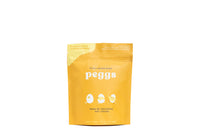
Avoiding eggs and dairy? Peggs are plant-based eggs made from chickpeas: no eggs, no dairy, no cholesterol, and no fridge needed. Scrambles, omelettes and baking, 12 eggs per pouch.
Here is a quick question for you: when you walk into a grocery store, where do you usually find eggs? If your answer is "right next to the milk and cheese," you are not alone. That simple fact has caused a whole lot of confusion for a very long time.
So, are eggs dairy? It is one of those questions that seems almost too basic to ask, but the answer surprises a lot of people. Whether you are trying to eat dairy-free, following a vegan diet, managing a food allergy, or just satisfying your curiosity, knowing the difference really matters.
In this post, we are going to clear everything up once and for all. You will learn exactly what dairy means, why eggs are constantly grouped with dairy products, and what the actual scientific and dietary answer is. We will also cover why this mix-up is so common and what it means for different diets and lifestyles.
By the end, you will know the answer confidently and be able to explain it to anyone who asks. Let's get into it.
What Is Dairy, Exactly?
Let's start with the basics, because getting this definition right is the whole ballgame.
Dairy refers specifically to products made from the milk of mammals. That means cows, goats, and sheep are the primary sources, though buffalo milk also qualifies. The definition has nothing to do with color, texture, or how something is stored in your grocery store. It is purely about biological origin. According to the U.S. FDA's formal definition, milk is the lacteal secretion obtained from healthy cows, and all dairy products trace directly back to that starting point.
The most familiar dairy products include milk, cheese, butter, cream, yogurt, kefir, and ice cream. Every single one begins with mammalian milk, no matter how much processing happens along the way.
What makes dairy nutritionally distinctive are three key components: lactose (a sugar produced exclusively inside mammary glands), casein (which makes up roughly 80% of milk protein), and whey (the remaining ~20%). These are the biological fingerprints of dairy, as explained by Science Insights. Interestingly, even lactose-free milk is still dairy; only the lactose has been broken down, while casein and whey remain completely intact.
Nothing earns the label "dairy" without originating from mammalian milk. That rule is firm, biologically and by definition. Understanding this sets up everything that follows, because once you know what dairy actually is, it becomes immediately clear why eggs simply do not belong in that category.
What Are Eggs, Exactly?
Made by chickpeas, not chicks
This recipe was made with Peggs
$36.00 — Peggs Plant-Based Egg | Vegan, Gluten-Free, Soy-Free
Now that we know exactly what dairy is, let's flip to the other side of the equation.
Eggs are the reproductive by-products of birds, primarily hens. They have absolutely nothing to do with mammalian milk, mammary glands, or any biological process connected to dairy production. A hen lays eggs as part of her natural reproductive cycle, and the egg itself is made up of a shell, egg white (albumen), and yolk. Not a drop of milk involved anywhere.
At a biochemical level, eggs contain zero lactose, zero casein, and zero whey. Those are the three hallmarks of dairy, and eggs have none of them. In fact, eggs contain less than 1 gram of carbohydrates total, compared to roughly 12 grams of lactose in a single cup of whole milk. This also means eggs are completely safe for people with lactose intolerance.
Nutritionally, one large egg delivers about 6 grams of complete protein alongside vitamin D, choline, riboflavin, and lutein. These nutrients support everything from brain health to eye function, making eggs a genuinely impressive little package.
The FDA reinforces this distinction by listing eggs as one of the major food allergens, completely separate from milk and dairy on ingredient labels. That regulatory separation matters in real life, especially for anyone managing food allergies.
One more fun nutrition fact worth knowing: adding eggs to a meal can increase vitamin E absorption from other foods in the same dish by up to seven times. That speaks to the unique nutritional role eggs play, one that has no real equivalent in the dairy category.
So Why Do So Many People Think Eggs Are Dairy?
Honestly, this is one of the most understandable mix-ups in the food world, and there are a few very specific reasons it keeps happening.
The biggest culprit is probably the way vegan diets are described. When people explain veganism, the phrasing almost always goes something like: "vegans avoid meat, dairy, eggs, and honey." That list groups eggs right alongside dairy every single time, which naturally trains your brain to file them in the same mental folder. But listing two things together does not make them the same thing. It just means both are off the table for that particular dietary choice. Eggs and dairy are excluded for different reasons, and they come from completely different biological sources, as the previous sections have already made clear.
Then there is the allergy labeling factor. If you have ever browsed the "free-from" aisle at a grocery store or looked up allergy-friendly recipes, you have almost certainly seen the phrase "egg-free and dairy-free" used as a single descriptor. Packaged goods, baked goods, restaurant menus, and food blogs all use this pairing constantly. According to Medical News Today, the two are separate allergens entirely, but the repeated pairing in consumer-facing language makes them feel like a matched set.
Finally, there is the simple matter of where eggs live in the grocery store. In most supermarkets, eggs are stocked right next to the milk, butter, and yogurt in the refrigerated section. That physical proximity creates a visual association that is genuinely hard to shake, especially if you have been grocery shopping the same way for years. Healthline and EatingWell both note that this retail placement is a major driver of the confusion.
None of these factors change the underlying biology, but understanding them does have real practical value. For someone managing a milk allergy, knowing that eggs are safe to eat is important information. For someone newly dairy-free, realizing that eggs are still on the table can open up a lot of recipe options they might have unnecessarily avoided.
Eggs vs. Dairy: Key Differences at a Glance
Now that we've unpacked what dairy and eggs are on their own terms, it helps to see the contrast laid out clearly side by side. The differences are pretty significant once you actually line them up.
Where they come from is the most fundamental distinction. Eggs are produced by hens, which are birds. Dairy products come from the milk of mammals, specifically cows, goats, and sheep. Birds do not have mammary glands, so there is simply no biological mechanism that could make an egg a dairy product. It is a bit like asking whether a walnut is a legume just because both grow in shells. The categories are entirely different from the ground up.
The nutritional makeup reinforces that separation further. Dairy products contain lactose (a natural milk sugar) and milk proteins like casein and whey. Eggs contain neither. A large egg has less than 1 gram of carbohydrates and zero lactose, while a cup of whole milk contains around 12 grams of carbohydrates, almost entirely from lactose. This is why people with lactose intolerance or a milk protein allergy can usually eat eggs without any issue, per this breakdown from KitchPrep.
Regulators treat them as separate categories too. The FDA lists both eggs and milk as distinct allergens within its Top 8 food allergen framework, meaning they are recognized as independent substances requiring separate labeling disclosure.
Dietary frameworks confirm the same thing. Vegans avoid both eggs and dairy, but for separate reasons tied to each product's individual animal origin. Vegetarians, including lacto-ovo vegetarians, commonly eat both as independent, optional food choices.
Finally, their cooking functions are completely different, which means their plant-based substitutes are different too. Eggs act as binders, leaveners, and emulsifiers. Dairy contributes creaminess, tang, and fat. Swapping one out requires an entirely different replacement strategy, whether you reach for aquafaba, a flax egg, oat milk, or a chickpea-based powder like Peggs.
Eggs, Dairy, and Allergies: Why the Distinction Matters Practically
Understanding the difference between eggs and dairy becomes especially important when food allergies enter the picture, because confusing the two can have real health consequences.
An egg allergy and a dairy allergy are completely separate medical conditions. A milk allergy is an immune response triggered by milk proteins, specifically casein and whey. An egg allergy is a different immune response triggered by egg proteins like ovalbumin. These are independently diagnosed conditions, meaning a person can have one, both, or neither. If someone tells you they're allergic to dairy, that says absolutely nothing about how their body responds to eggs. Always treat them as two distinct concerns.
Lactose intolerance is a separate situation altogether. It's not an allergy at all; it's a digestive sensitivity to lactose, the sugar found in mammalian milk. Because eggs contain zero lactose, they are completely safe for people who are lactose intolerant. If you or someone in your household avoids dairy specifically because of lactose sensitivity, eggs are not a problem on that front.
Label reading is non-negotiable here. The FDA requires both milk and eggs to be declared separately on food ingredient labels as distinct major allergens. This matters because "dairy-free" does not automatically mean "egg-free," and "egg-free" does not automatically mean "dairy-free." A dairy-free baked good might still contain eggs as a binder. A mayonnaise-based salad dressing might be free of milk but packed with egg yolk. Always check the full ingredient list for each allergen individually rather than assuming one label claim covers both.
This distinction is especially critical for parents managing children's food allergies, since food allergies affect between 4% and 8% of children in the U.S. Mistaking one allergen for the other in a school lunch or packaged snack can have serious consequences. When in doubt, read every label carefully and look for both allergens separately.
Are Eggs Vegan? A Related but Different Question
Here is something worth pausing on: eggs are not dairy, but they are also not vegan. These are two completely separate facts, and neither one depends on the other.
Veganism excludes all animal-derived products, full stop. Since eggs come from hens, they are an animal by-product, which places them outside vegan dietary principles regardless of how they are classified in any other context. The vegan exclusion has nothing to do with whether eggs resemble milk or share a refrigerator shelf with cheese. It simply comes down to animal origin. So if you have been wondering whether "not dairy" means "vegan-friendly," the answer is no, and this breakdown of whether eggs are vegan or vegetarian explains the distinction clearly.
The term "plant-based" adds another layer of complexity here. Unlike "vegan," which has a well-established definition, "plant-based" has no formal regulatory meaning. Many people who describe their diet as plant-based still include eggs as a regular protein source. You might see a restaurant menu item labelled plant-based that contains eggs, and that is not technically inaccurate under loose usage of the term.
Vegetarian diets add yet another dimension. Most vegetarians avoid meat but continue eating both eggs and dairy without contradiction. That tells you something important: meat, dairy, and eggs are three independently defined food categories, each evaluated separately under different dietary frameworks. A dish labelled dairy-free may still contain eggs. A dish labelled vegan will contain neither. Knowing these distinctions makes reading labels and navigating menus significantly easier.
What to Do If You Are Avoiding Both Eggs and Dairy
People end up avoiding both eggs and dairy for all kinds of reasons. Maybe you follow a vegan diet, manage a food allergy, want to lower your cholesterol, or simply care about reducing your environmental footprint. Whatever your motivation, the good news is that there are genuinely practical options available, and you do not have to sacrifice great food to make it work.
If you are baking, aquafaba is one of the most impressive tools in your kitchen. Aquafaba is simply the liquid from a can of chickpeas, and it mimics egg whites remarkably well thanks to its unique blend of proteins and starches. The standard substitution is 3 tablespoons of aquafaba per egg white, and a typical 398-mL can of chickpeas yields roughly half a cup of liquid, which covers approximately 2 to 3 eggs worth of baking needs. It can even be whipped into stiff peaks, making it suitable for meringues and mousses in a way that most other substitutes simply cannot match. For a deeper dive into how these substitutes perform across different recipes, this complete plant-based guide to vegan egg substitutes is a helpful reference.
For recipes where binding matters more than aeration, a flax egg is a reliable choice. Mix 1 tablespoon of ground flaxseed with 3 tablespoons of water, let it sit for about 5 minutes until it thickens into a gel, and use it in place of one egg. It works beautifully in muffins, cookies, and quick breads. Just keep in mind that it will not whip or create lift the way eggs or aquafaba can. If you want to explore more substitution options side by side, this guide to vegan egg substitutes that actually work covers a wide range of practical applications.
For the most versatile and convenient solution, Peggs is worth keeping in your pantry. It is a powdered egg alternative made from chickpeas, fully shelf-stable, and requires no refrigeration at all. You can use it for scrambled eggs, omelets, baking, pancakes, waffles, quiches, and more. That kind of flexibility is especially valuable for meal preppers, campers, travelers, and anyone who wants a dependable egg replacement on hand without watching an expiration date creep closer. When both eggs and dairy are off the table, having a product that handles this many cooking scenarios in one simple package makes everyday cooking significantly less stressful.
Egg-free and dairy-free, in one pouch
1/4 cup Peggs + 1/4 cup water = 2 eggs. Made from chickpeas. Gluten-free, soy-free, nut-free and dairy-free. Lives in your pantry, not your fridge.
Frequently Asked Questions
Are eggs considered dairy for lactose intolerance?
No, and this is really good news for anyone managing lactose intolerance. Eggs contain absolutely zero lactose, zero milk proteins, and zero dairy ingredients of any kind. Lactose intolerance happens when your body doesn't produce enough lactase, the enzyme needed to digest lactose (the natural sugar found in milk). Since eggs have nothing to do with milk, they simply don't trigger any of those symptoms. Most people with lactose intolerance can eat eggs without any issue at all.
Are eggs dairy-free?
Yes, completely. Eggs are naturally dairy-free because they come from hens, not from any mammal's milk. They contain no casein, no whey, and no lactose. If you are avoiding dairy, eggs are fair game unless you also have a separate egg allergy.
Why do recipes say "egg-free and dairy-free"?
Because eggs and dairy are two entirely separate allergens. A recipe without butter and milk might still contain eggs, and a recipe without eggs might still contain cheese or cream. Listing both makes it clear that the recipe is safe for people managing either or both restrictions at the same time.
Can vegans eat eggs?
No. Veganism excludes all animal-derived products, and eggs fall into that category. That said, "plant-based" eating is a broader, less defined term, and some people who call their diet plant-based do still include eggs.
Are eggs paleo?
Yes. Eggs are fully embraced on paleo diets, while dairy is typically limited or excluded entirely. This is a great real-world example of how eggs and dairy have always been treated as completely separate food categories, even outside of vegan or allergy-related conversations.
The Bottom Line
Here is the short version: eggs are not dairy. They never were, and the science, the regulatory frameworks, and the allergy labeling all agree on that completely. Eggs come from birds, contain zero lactose and zero milk proteins, and belong to an entirely separate food category from anything that comes out of a cow, goat, or sheep.
The confusion is understandable, genuinely. Eggs and dairy share refrigerator space, show up together in recipes, and get listed side by side on vegan diet guides. That kind of constant proximity makes the mix-up easy.
If you are managing lactose intolerance, a dairy allergy, or a dairy-free lifestyle for any reason, eggs are safe for you to eat unless you have a separately diagnosed egg allergy. The two conditions are independent of each other.
And if you are avoiding both eggs and dairy, whether for veganism, allergies, health goals, or sustainability, options like Peggs make it easy to keep cooking and baking without skipping a beat.
Knowing this distinction is a small but genuinely useful piece of nutritional literacy. It makes reading labels, following recipes, and ordering at restaurants a whole lot simpler.
Conclusion
Now you have the full picture. Eggs are not dairy. Dairy comes from the milk of mammals, and eggs have nothing to do with that process. The two are grouped together in grocery stores simply out of convenience, not because they share any biological or nutritional connection.
Here are the key takeaways to remember:
Dairy means products made from animal milk
Eggs come from birds and are completely separate
Being dairy-free does not automatically mean avoiding eggs
Always check labels if you are managing specific allergies or dietary needs
If this cleared things up for you, share this post with someone who has been confused about the same question. The more you understand what is actually in your food, the better choices you can make every single day. Clear labels, clear answers, and confident eating start with getting the basics right.
Free download
Get the Egg-Free Baking Cheat Sheet
The one ratio to remember, quick conversions, and where to add Peggs — straight to your inbox.
You're in! Grab your cheat sheet below.
Download the cheat sheet